You’ve upgraded your bathroom tile, swapped out the vanity—yet the shower still feels… underwhelming. That single spray drenches you unevenly, leaving one shoulder soaked and the other dry. You crave coverage, luxury, control. The fix? dual head shower head system installation. But most DIY tutorials skip the hard truths: pressure drops, incompatible valves, and leaky joints that turn your dream upgrade into a weekend nightmare.
Why Standard Shower Upgrades Fall Flat
Plumbing isn’t just about screwing things together. Most homeowners install dual heads without checking static water pressure first. Bad move. Two outlets demand more flow than your existing supply line can deliver—especially in older homes with ½-inch pipes. The result? Weak streams that dribble instead of cascade.
And mixing valve compatibility? Often ignored. Thermostatic or pressure-balanced? Get it wrong, and temperature swings could scald or freeze you mid-lather. Manufacturers rarely spell this out on packaging—because returns are easier than education.
Dual Head Shower Head System Installation: Step-by-Step (Without the Fluff)
Assess Your Water Supply Reality
Grab a bucket and stopwatch. Run your current shower full blast for 10 seconds. Measure the output in gallons. Multiply by 6. If it’s under 4 GPM (gallons per minute), adding a second head will cripple performance—unless you upgrade your supply line or install a booster pump.
Choose the Right Valve Type
A thermostatic mixing valve maintains set temperatures even when someone flushes a toilet. Pressure-balanced valves react slower but cost less. For dual heads, go thermostatic—it handles variable flow demands better. Skip this, and you’ll curse every time the washing machine kicks on.
Mounting Strategy Matters
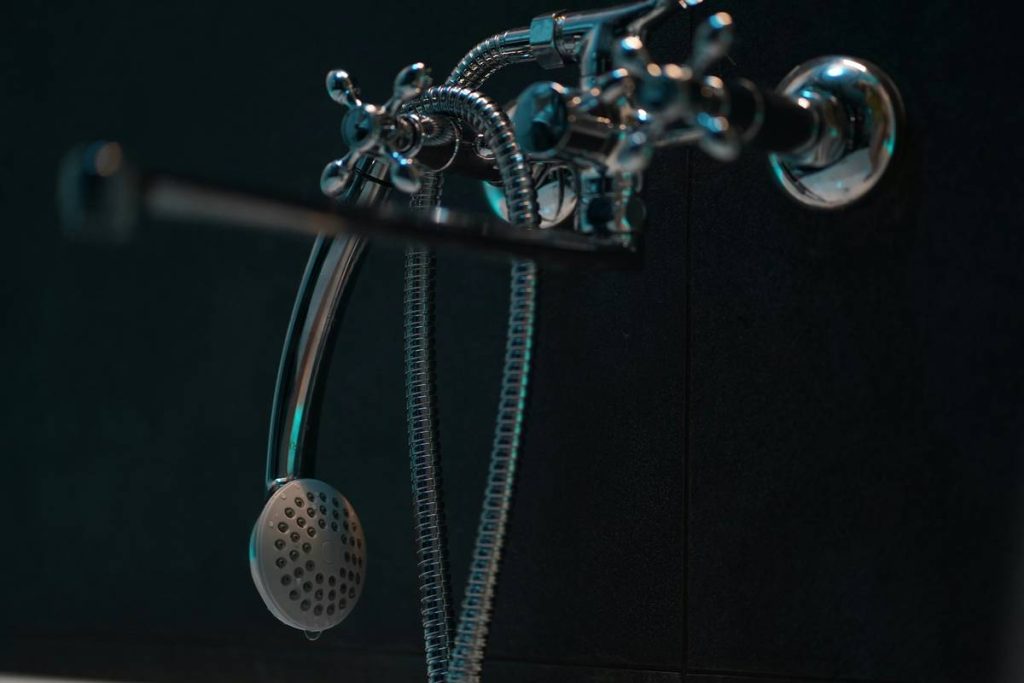
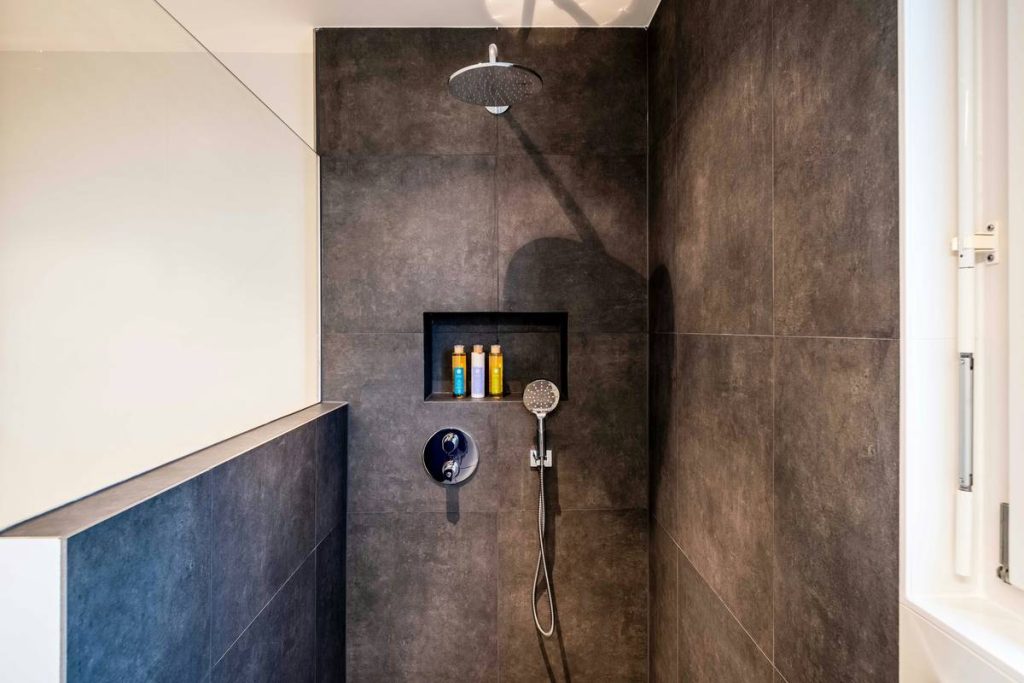
One head overhead, one handheld. That’s the gold standard. But mounting both on the same wall causes interference. Angle them outward slightly—15 degrees apart—to avoid cross-spray chaos. Use adjustable shower arms; rigid ones limit positioning.

| Installation Method | Average Cost | Time Required | Pressure Impact |
|---|---|---|---|
| Retrofit to existing valve | $120–$250 | 2–3 hours | High drop if flow >4 GPM |
| New thermostatic valve + dual outlets | $350–$600 | 4–6 hours | Minimal with proper piping |
| Professional installation (full system) | $700–$1,200 | 1 day | Optimized by design |

The Industry Secret Nobody Talks About
Here’s what plumbers whisper on job sites: flow restrictors lie. Most “water-saving” shower heads claim 2.0 GPM—but when tested under real home pressure (40–60 PSI), they often deliver closer to 2.8. Now double that for two heads? You’re blowing past municipal limits—and your water bill. The fix? Install inline flow regulators calibrated to your actual pressure. They cost $12 each and let you fine-tune each head independently. Few brands include them. You have to seek them out. But once dialed in? Perfect balance, no waste.
Frequently Asked Questions
Can I install a dual shower head system myself?
Yes—if your plumbing is accessible and you’ve confirmed adequate water pressure. If walls are tiled or pipes are cramped, hire a pro. One wrong cut ruins the whole surround.
Do dual shower heads use more water?
Not necessarily. With flow regulators set to 1.8 GPM per head, total usage stays under 3.6 GPM—less than many old single heads. Control beats volume every time.
What’s the minimum water pressure needed?
Aim for at least 45 PSI static pressure. Below 40 PSI, dual heads feel anemic unless you add a pressure-boosting pump rated for potable water.