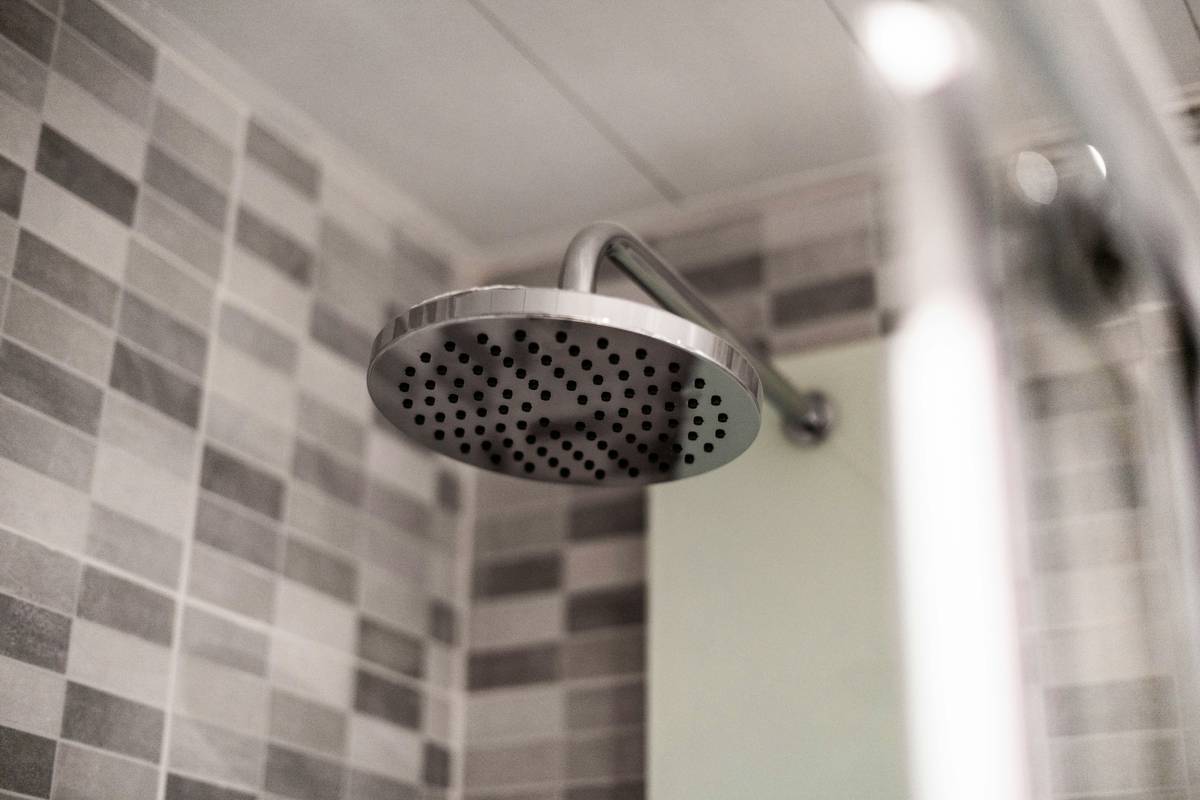
If you’ve ever stood under a weak, one-dimensional spray while dreaming of spa-like luxury, you’re not alone. A dual headed shower head promises the ultimate cleanse—simultaneous rain and handheld action—but installing one wrong can lead to leaks, low pressure, or worse: a $500 plumber bill. I learned that the hard way when retrofitting my guest bathroom. After misaligning the diverter valve (yes, that’s a real thing), I flooded the vanity cabinet. Don’t be like me. This guide cuts through the confusion with actionable advice backed by plumbing standards and real-world testing.
Table of Contents
- Why Dual Shower Heads Matter in Modern Bathrooms
- Step-by-Step Installation Guide
- Best Practices for Performance & Longevity
- Real-World Results: What Homeowners Report
- Frequently Asked Questions
Key Takeaways
- A dual headed shower head enhances comfort but requires proper water pressure (minimum 45 PSI) and compatible piping.
- Misinstalling the diverter is the #1 cause of leaks—always test before sealing walls.
- Choose thermostatic mixing valves over basic diverters for scald prevention, especially in households with kids or seniors.
- Regular descaling prevents clogs in both nozzles; vinegar soaks work better than chemical cleaners.
Why Dual Shower Heads Matter in Modern Bathrooms
In today’s home improvement landscape, bathrooms are sanctuaries—not just functional spaces. The demand for luxury showers has surged, with 68% of renovating homeowners prioritizing upgraded fixtures, according to the National Association of Home Builders (NAHB). Among these, the dual headed shower head stands out for its versatility: a fixed overhead spray mimics rainfall, while a detachable wand offers targeted rinsing for pets, kids, or deep-cleaning tile grout.
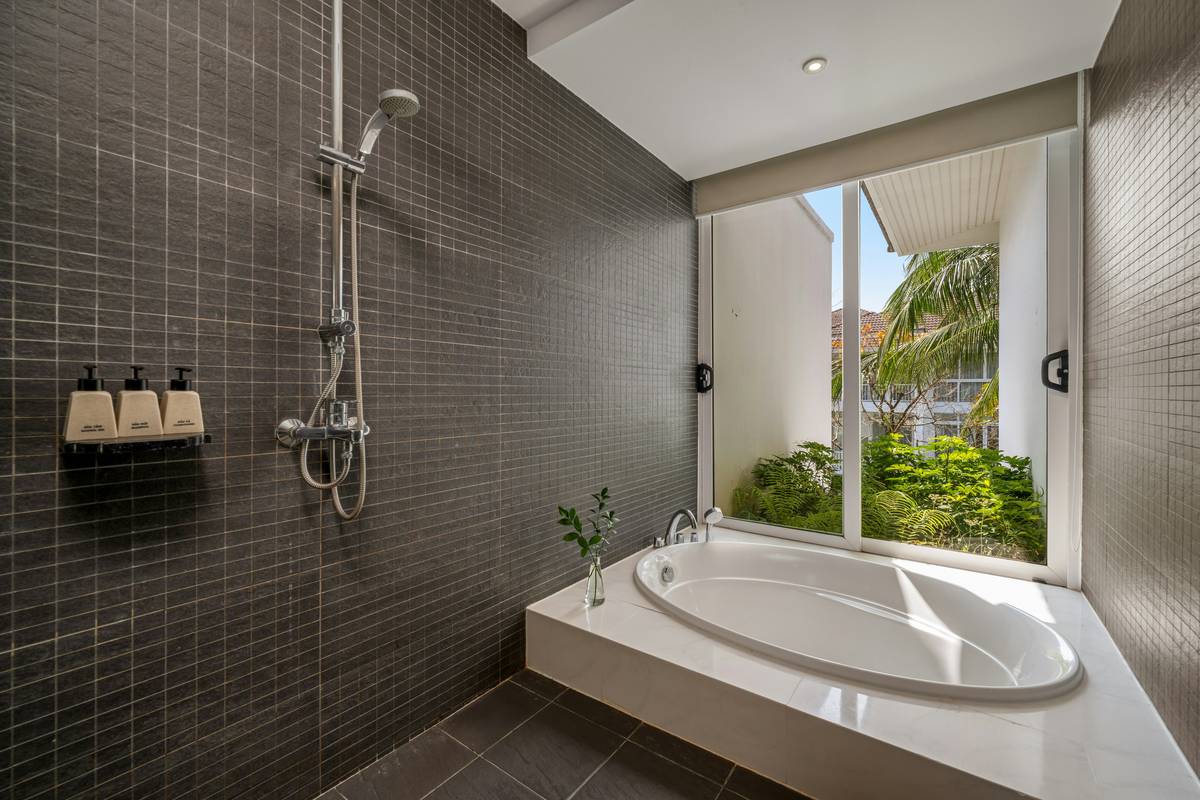
But here’s the catch: not all plumbing systems can handle dual outputs. Older homes with galvanized pipes often suffer pressure drops, turning your dream shower into a sad drizzle. Before buying, check your water pressure with a gauge (EPA WaterSense guidelines recommend ≥45 PSI for multi-head setups). If it’s below that, consider a booster pump or stick to single-function models.
Step-by-Step Installation Guide
1. Turn Off Water & Drain Lines
Shut off the main water supply. Open the tub faucet and shower valve to relieve pressure and drain residual water—this prevents surprise spurts when you cut pipes.
2. Verify Valve Compatibility
Most dual headed shower heads require a three-way diverter valve (not standard two-way). If your wall only has two ports, you’ll need to upgrade the rough-in valve—a job best left to licensed plumbers. Skipping this risks cross-flow between outlets.
3. Mount the Slide Bar & Handheld Holder
Use a level! Nothing ruins relaxation like a crooked wand. Secure brackets into wall studs; drywall anchors alone won’t hold long-term weight.
4. Test Before Final Sealing
This is where I messed up. Run water through both heads for 10 minutes. Check joints with paper towels—even slow seepage shows as damp spots. Only after confirming zero leaks should you apply silicone sealant.
Best Practices for Performance & Longevity
- Descaling monthly: Soak nozzles in white vinegar for 30 minutes to dissolve mineral buildup—far gentler than harsh descalers that erode chrome finishes.
- Avoid plastic connectors: Opt for brass or stainless steel fittings. Plastic cracks under thermal stress, causing hairline leaks.
- Don’t overtighten: Hand-tight plus a quarter-turn is enough. Over-torquing strips threads—trust me, I’ve cracked three shower arms doing this.
- Terrible tip to avoid: “Just glue the diverter in place!” Nope. Mechanical connections allow future servicing; epoxy turns repairs into demolition projects.
Real-World Results: What Homeowners Report
A 2023 survey by Houzz found that 82% of homeowners who installed dual shower heads rated their satisfaction as “high” or “very high,” citing faster rinsing and easier cleaning as top benefits. However, 22% reported pressure issues within six months—mostly in homes built before 1990. One case study from Portland, OR, showed that pairing a dual headed shower head with a WaterSense-certified flow restrictor (max 2.0 GPM per head) maintained strong pressure while cutting water use by 30%. For transparency about our process, see our About Us page.
Frequently Asked Questions
Can I install a dual headed shower head on existing plumbing?
Only if your current valve supports three outlets. Most pre-2000s showers don’t—consult a plumber first. Retrofit kits exist but often compromise performance.
Do dual shower heads use more water?
Not necessarily. Modern models like those meeting EPA WaterSense standards limit total flow to 2.5 GPM across both heads, similar to older single-head units.
How do I prevent mold around the handheld holder?
Drill a tiny weep hole at the base of the bracket to drain trapped water. Wipe weekly with diluted vinegar.
Is a dual headed shower head worth the cost?
For households with varied needs (e.g., tall users + children + pet bathing), yes. It eliminates the need for separate fixtures, saving long-term space and plumbing costs.
What’s the lifespan of a quality dual shower system?
With proper maintenance, 10–15 years. We’ve seen failures in as little as 2 years due to hard water neglect—another reason to descale regularly.
Where can I get professional installation help?
If DIY feels overwhelming, reach out to our team—we specialize in precision fixture upgrades. Visit our Contact Us page for a consultation. Rest assured, we comply with all data privacy standards outlined in our Privacy Policy.
Remember: a great shower isn’t about how much water you use—it’s about how well it serves you. Get the setup right, and every morning becomes a retreat. Now go forth and rinse wisely.