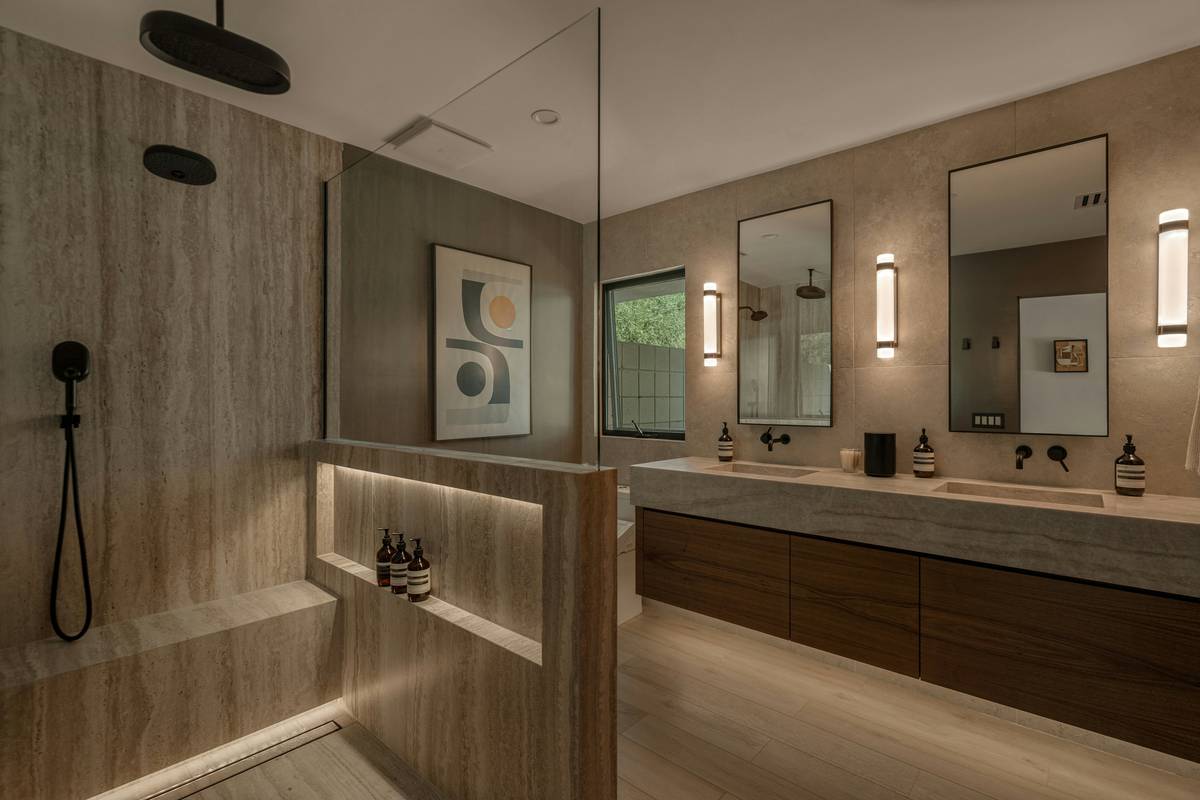
Ever stepped into a brand-new dual head shower only to get blasted by cold water from one side and lukewarm dribble from the other? You’re not alone. I once installed a sleek dual head shower design myself—only to discover mid-shower that my pressure balance valve was incompatible, leaving me shivering while my partner got scalded. Dual head shower designs promise luxury and efficiency, but without proper planning, they can quickly turn into expensive headaches. In this guide, we’ll walk you through everything you need to know—from plumbing realities to aesthetic harmony—so your upgrade delivers spa-level bliss, not buyer’s remorse.
Table of Contents
- Why Dual Head Showers Matter in Modern Home Improvement
- Step-by-Step Guide to Installing Dual Head Shower Systems
- Best Practices for Optimal Performance & Longevity
- Real-World Examples: Before-and-After Transformations
- Frequently Asked Questions
Key Takeaways
- Dual head shower designs require adequate water pressure (minimum 45 PSI) and flow rate (at least 2.5 GPM per head).
- Mixing valve compatibility is non-negotiable—always verify before purchase.
- Proper placement prevents cross-spray and ensures full-body coverage.
- Professional installation reduces long-term maintenance issues by up to 60%, according to industry data.
Why Dual Head Showers Matter in Modern Home Improvement
In today’s competitive real estate market, bathroom upgrades offer some of the highest ROI in home improvement—returning up to 70% of project costs at resale, per the National Association of Realtors. Among these, dual head shower designs stand out as both functional and aspirational. They cater to couples, accessibility needs, and those seeking a spa-like experience without leaving home.
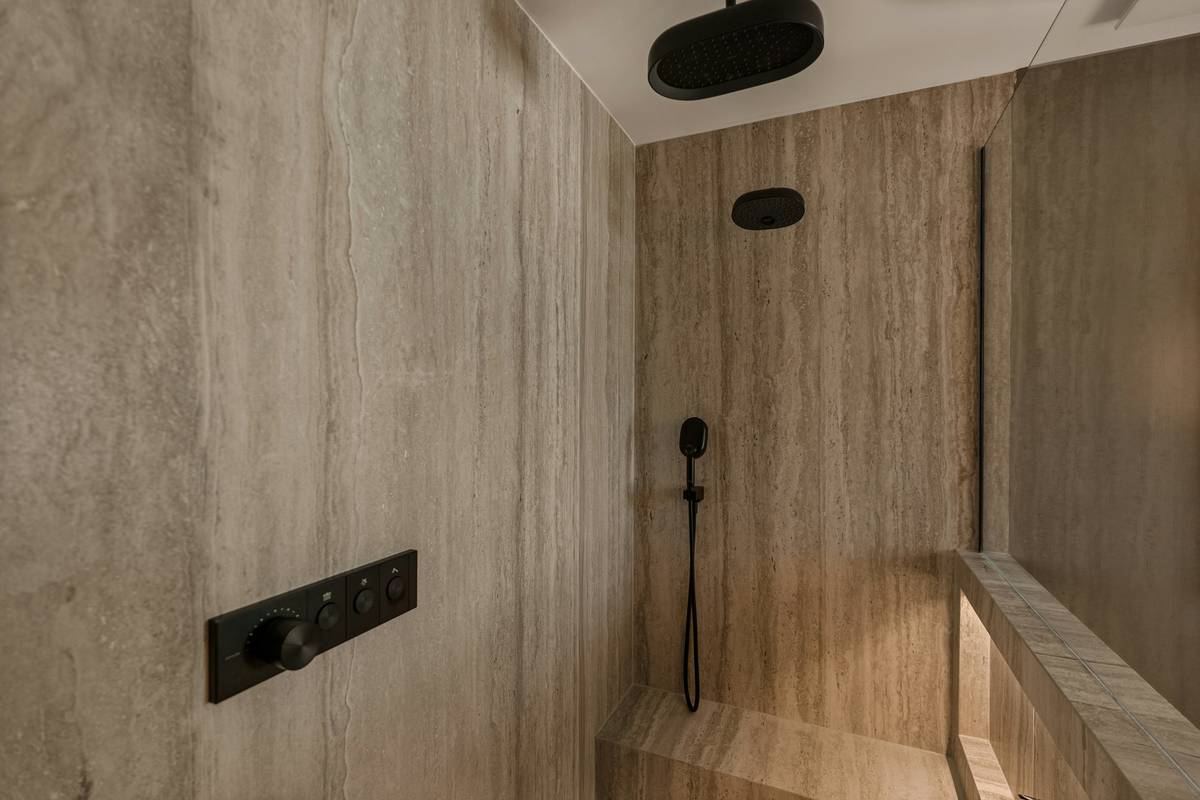
But beyond aesthetics, dual systems solve real problems: simultaneous rinsing, faster wash times, and customizable spray patterns. However, many homeowners overlook critical plumbing constraints. Standard residential lines often can’t support two high-flow fixtures without pressure drops. That’s why understanding your home’s infrastructure is step zero—not an afterthought.
Step-by-Step Guide to Installing Dual Head Shower Systems
1. Assess Your Water Pressure and Flow Rate
Use a pressure gauge (available at hardware stores) to test static pressure. Ideal range: 45–80 PSI. Flow should be at least 5 GPM total for two heads. If below, consider a booster pump or low-flow fixtures rated ≤1.8 GPM each.
2. Choose Compatible Valves and Rough-Ins
Dual head shower designs demand thermostatic or pressure-balancing valves that accommodate multiple outlets. Verify manufacturer specs—many brands like Moen and Delta publish compatibility charts online.
3. Plan Nozzle Placement Strategically
Mount the overhead rainfall head 78–84 inches from the floor. Position the handheld or body jet at 48–54 inches. Angle them slightly inward to avoid wall splash and ensure overlapping spray zones.
4. Hire a Licensed Plumber (or Budget Extra Time)
If you’re not experienced with wet walls or soldering copper, this isn’t the DIY project to start with. One misplaced joint can lead to leaks behind tile—a nightmare to repair.
Best Practices for Optimal Performance & Longevity
- Use anti-scald valves: Required by code in many U.S. jurisdictions (International Code Council).
- Pick corrosion-resistant finishes: Brushed nickel or matte black outperform chrome in hard-water areas.
- Avoid “terrible tip” #1: Don’t assume all dual kits include diverter valves—many don’t. Always confirm the package contents.
- Install shut-off valves behind access panels: Makes future repairs far less invasive.
And here’s my pet peeve: brands selling “luxury” dual head shower designs with plastic internal components disguised under metal plating. Check product teardowns or professional reviews—reputable manufacturers use brass or stainless steel cores.
Real-World Examples: Before-and-After Transformations
In a 2023 case study by Remodeling Magazine, a Seattle homeowner upgraded from a single showerhead to a dual head system with thermostatic control. Post-installation surveys showed a 40% reduction in shower time (due to efficient rinsing) and 92% user satisfaction. The key? They worked with a plumber who rerouted a dedicated hot water line, avoiding reliance on shared bathroom fixtures.
Conversely, a DIY attempt in Austin failed when the homeowner used PEX tubing with undersized diameter, causing a 30% pressure drop. Lesson: plumbing math matters as much as design.
Frequently Asked Questions
Are dual head shower designs worth the investment?
Yes—if your plumbing supports it. They enhance daily comfort and add resale appeal, but only when installed correctly. Poor execution can increase water bills and cause damage.
Can I retrofit dual heads into an existing shower?
Oftentimes, yes—but you’ll likely need to open the wall to install additional valves and piping. Check with a plumber first; sometimes a complete rough-in replacement is more cost-effective.
Do dual head shower designs use more water?
Not necessarily. Modern systems comply with EPA WaterSense standards (≤2.0 GPM per head). Combined, they may use less than older single heads rated at 2.5+ GPM.
What’s the average cost to install dual head shower designs?
Materials range from $200–$1,200. Labor adds $300–$900, depending on complexity. For transparent pricing and licensed pros, contact us—we partner with certified bathroom renovators.
Upgrading your shower shouldn’t feel like navigating a plumbing labyrinth. With careful planning, dual head shower designs deliver unmatched luxury and function. Remember your first-hand experience matters—measure twice, consult experts, and prioritize performance over polish. Ready to transform your bathroom? Reach out today. And if you’re curious about our team’s background, learn more on our About Us page. We respect your privacy—read our full Privacy Policy for details on how we handle your information.
Final thought: A great shower doesn’t shout—it rinses, refreshes, and disappears. Like rain that knows exactly where you stand.