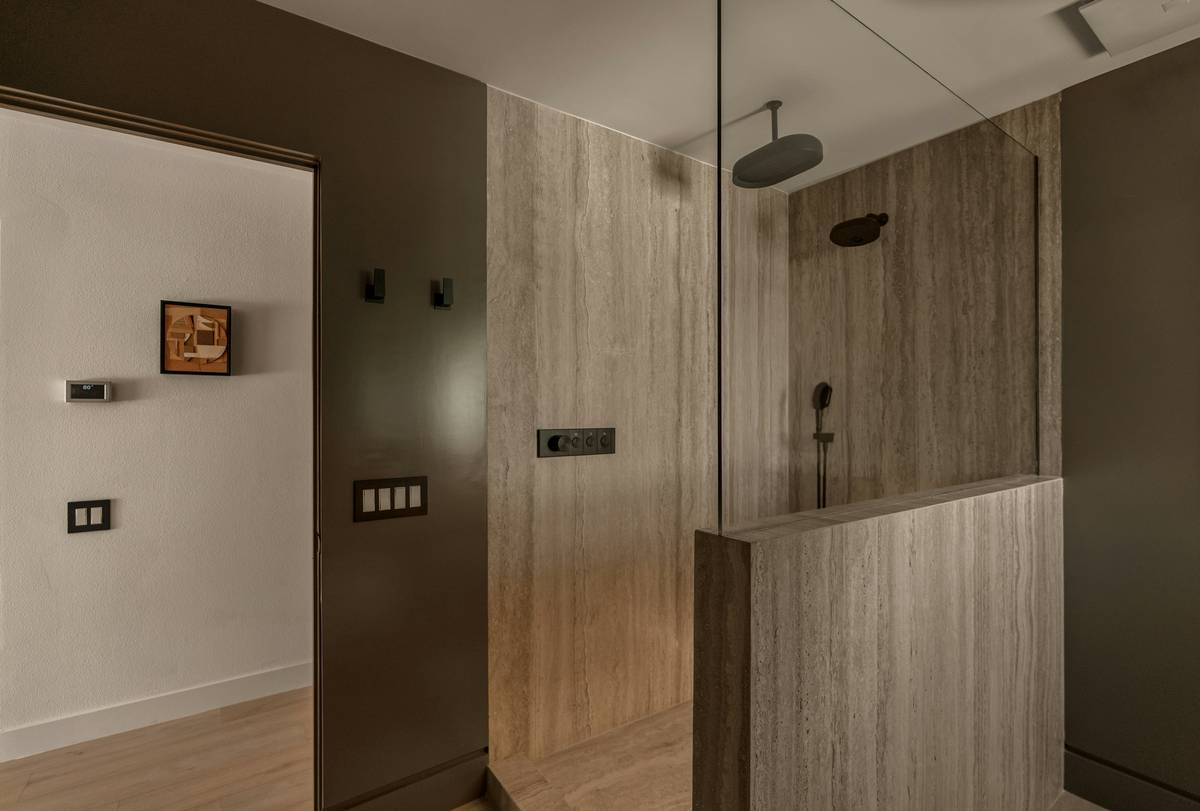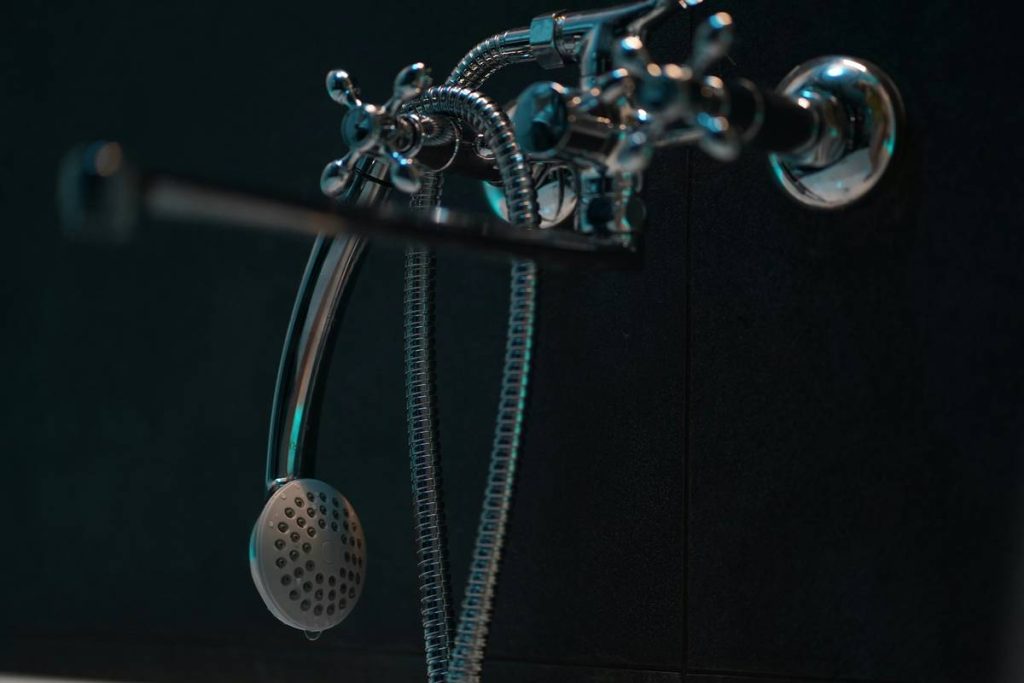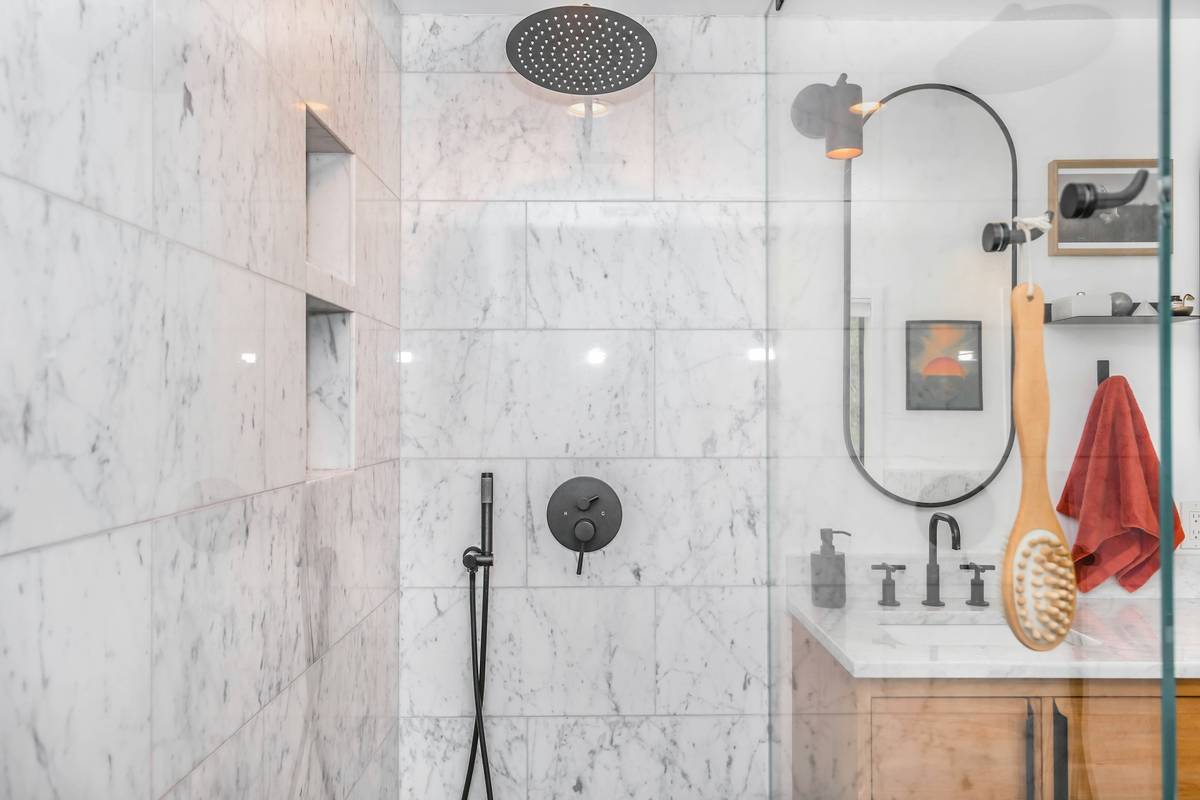
Your shower feels cramped. Water pressure’s weak. One nozzle just isn’t cutting it—especially when you’re trying to rinse shampoo out of your hair while your partner scrubs off a week’s worth of grime. You’ve seen those sleek double shower head setups online, but most fail in real life: leaks, low flow, or installation nightmares. Here’s the fix—practical, water-smart, and built to last.
Why Most Double Shower Head Setups End in Disaster
Plumbing isn’t Lego. Slap two heads on a single valve and expect magic? Good luck. The core issue is **flow rate vs. household pressure**. Most homes run at 40–60 PSI. A standard showerhead uses 2.5 GPM. Add a second without adjusting your system—and you get dribbles, not streams.
And yes—many “dual” kits are just gimmicks. Cheap plastic diverter valves crack within months. Wall mounts wobble after three uses. You don’t need more fixtures. You need smarter engineering.
Double Shower Head Ideas: A Step-by-Step Guide That Doesn’t Waste Water
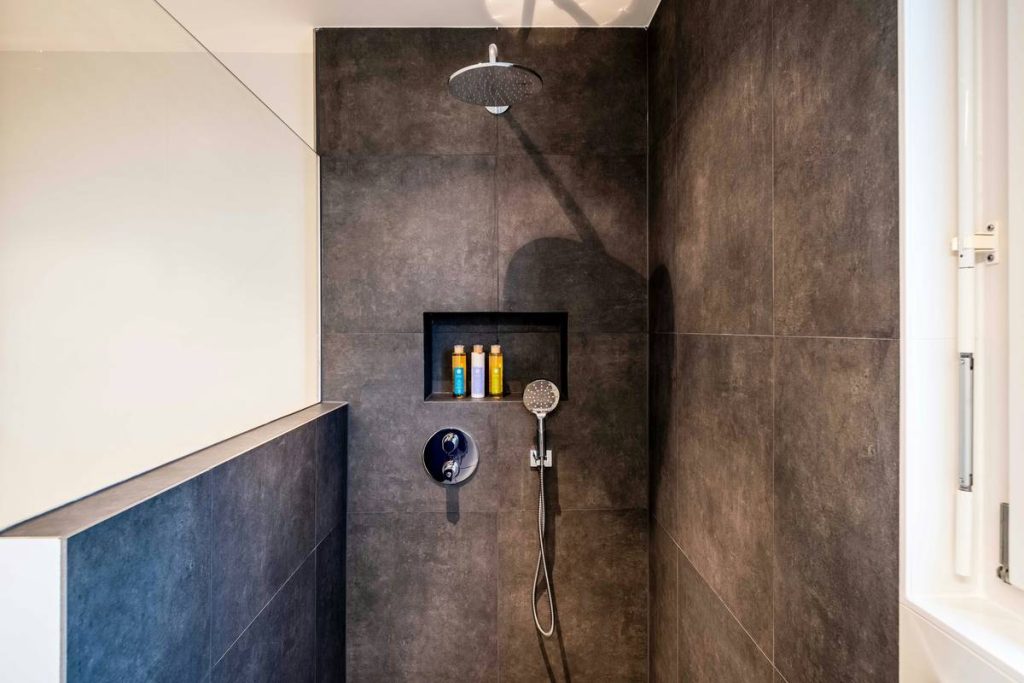
The goal isn’t just doubling output—it’s optimizing experience. Think precision over volume. Target zones: overhead rain for shoulders, handheld for feet or cleaning.
Selecting Compatible Fixtures
Match flow rates. If your main head is 2.0 GPM, pick a handheld at 1.8 GPM max. Total shouldn’t exceed 2.5–3.0 GPM unless you’ve upgraded your supply line. Look for WaterSense-certified models—they deliver pressure without waste.
Plumbing Modifications That Matter
No point installing dual heads if your valve can’t handle it. Older single-handle mixers? Replace with a **thermostatic mixing valve**. It stabilizes temperature even when someone flushes a toilet—critical when two nozzles share one source.
Mounting Strategies for Real Homes
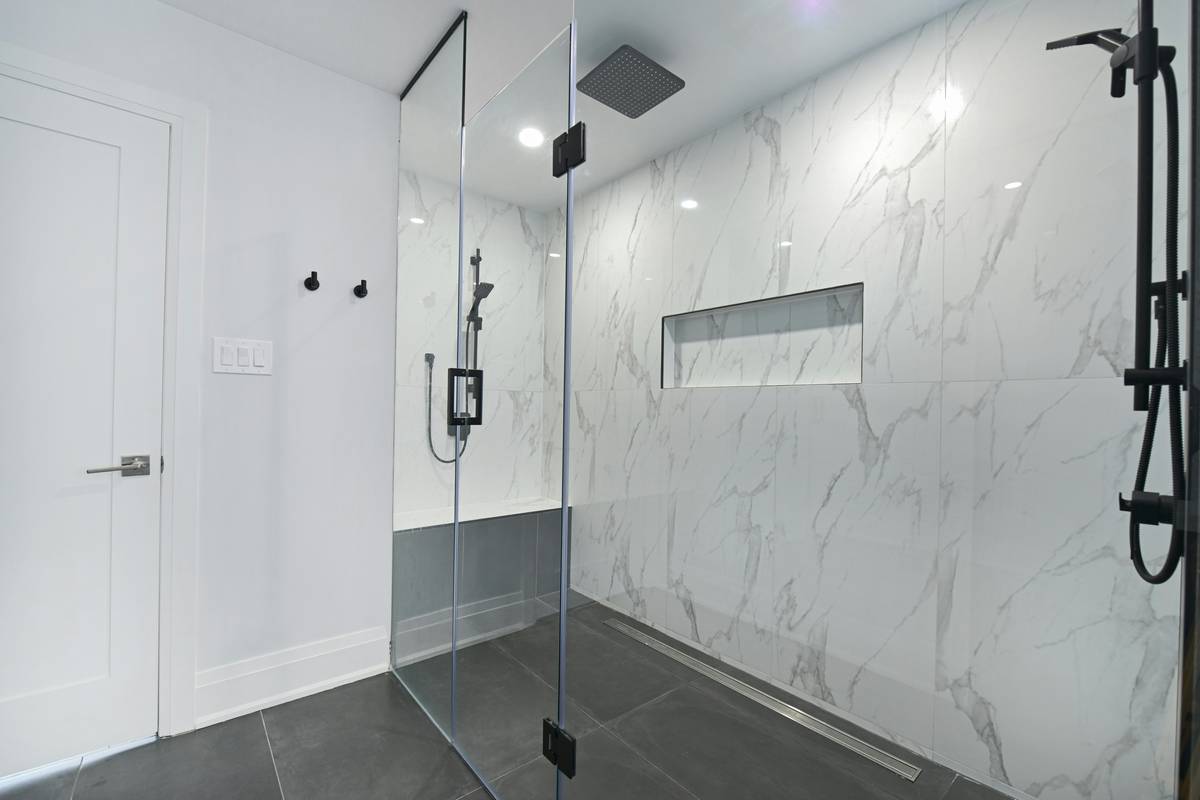
Avoid drilling into tile grout. Use stainless steel wall brackets anchored into studs. For rental-friendly options, consider ceiling-mounted rain heads paired with slide-bar handhelds—zero permanent mods.
| Setup Type | Estimated Cost | Installation Complexity | Water Efficiency (GPM) |
|---|---|---|---|
| Rain Head + Handheld (with Diverter) | $120–$300 | Moderate (requires valve access) | 2.2–2.8 |
| Dual Fixed Wall Mounts | $180–$400 | High (needs dual supply lines) | 3.0–4.0 (not ideal for low-pressure homes) |
| Slide Bar + Overhead Combo | $90–$220 | Low (surface-mount only) | 2.0–2.5 |
The Industry Secret: It’s Not About Two Heads—It’s About Control
Here’s what plumbers won’t tell you: the best “double shower head ideas” often use only one active nozzle at a time—but with instant switching. A high-quality 3-way diverter lets you toggle between rain, handheld, or both—without pressure drop. The trick? Install an inline pressure-balancing cartridge behind the wall. Costs $25 extra. Saves hundreds in callbacks for “weak water” complaints.
I once retrofitted a 1970s bungalow this way. Client loved the spa feel—but the real win? Their utility bill dropped 12% because they stopped running the shower longer to compensate for poor coverage. Precision beats brute force every time.
Double Shower Head Ideas FAQ
Do double shower heads use more water?
Not necessarily. If both are WaterSense-labeled and used mindfully, total flow stays under 2.5 GPM—same as many single heads. The key is smart diverters, not extra volume.
Can I install a second shower head myself?
Only if you’re adding a handheld to an existing arm. Dual fixed heads usually need new plumbing lines—hire a pro unless you’ve soldered copper before.
What’s the minimum water pressure needed for dual heads?
Aim for 45 PSI or higher. Below that, stick with one primary head and a low-flow handheld (<1.75 GPM) to avoid frustrating performance.