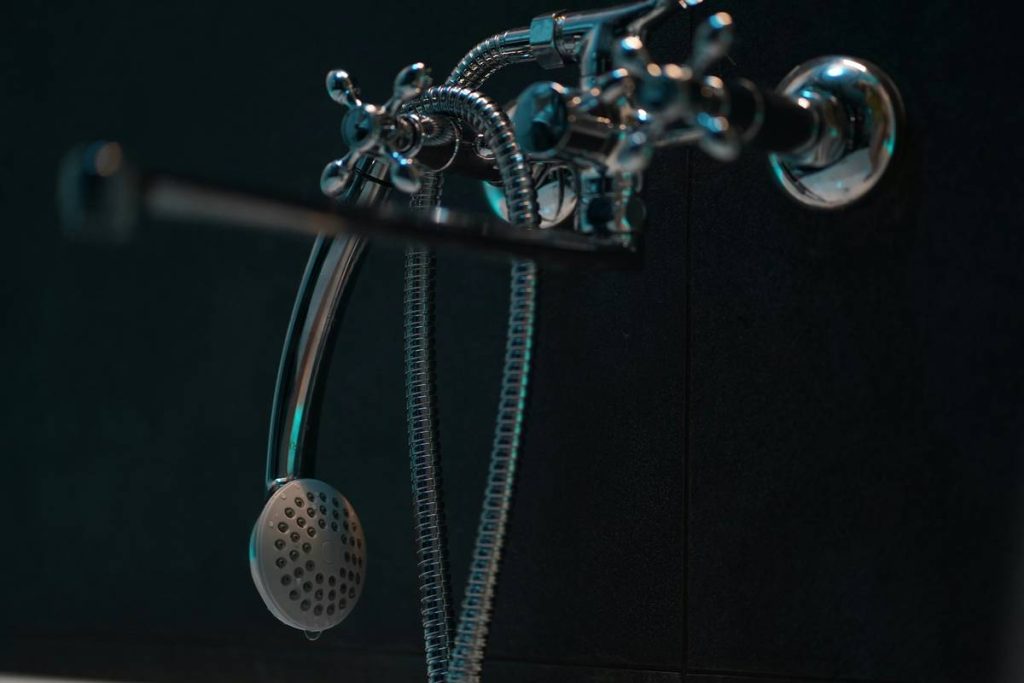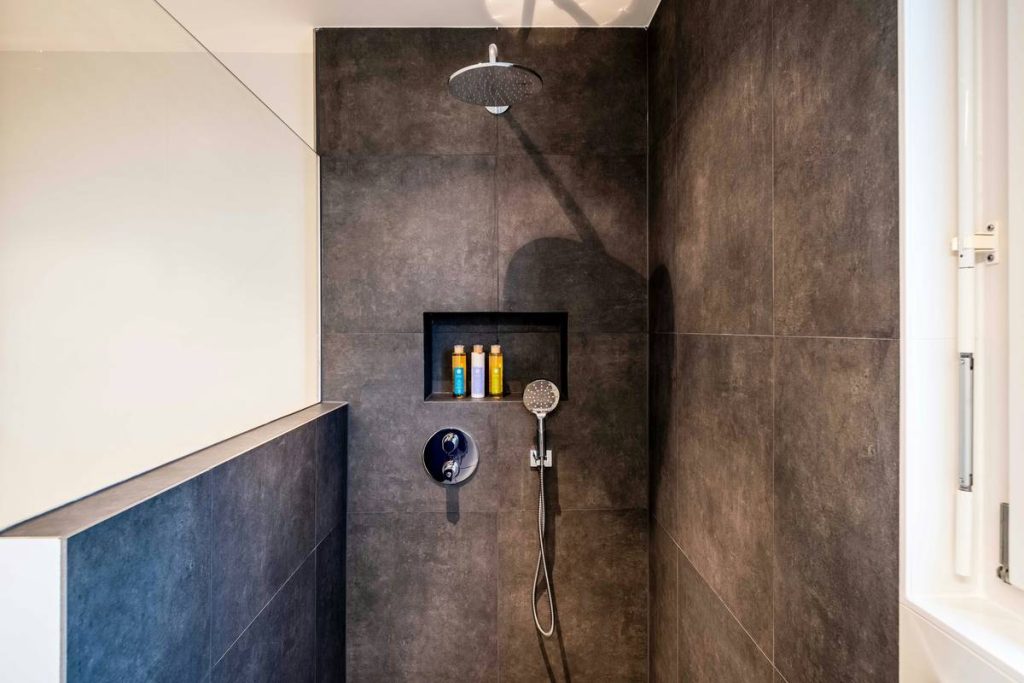
Your morning shower shouldn’t feel like a compromise. Too often, you’re stuck choosing between water pressure and coverage—or worse, contending with mold-prone curtains and cramped stalls. A dual showerhead walk in shower flips that script entirely. No doors. No thresholds. Just seamless flow—and two perfectly aimed streams of hot water greeting you at once.
Why Most Dual Shower Systems Fall Short (Even High-End Ones)
Installers love selling the *idea* of dual showerheads—two nozzles, luxury vibes, spa-like experience. But here’s the catch: if your plumbing can’t support simultaneous flow from both heads, you get lukewarm dribbles instead of pressure. And most walk-in layouts ignore spray overlap, leaving cold zones where water never reaches. Worse yet? Contractors often bolt on a second head without upgrading valves or drains—creating backups and slow drainage you’ll curse every time you shower.
It’s not about aesthetics alone. It’s hydraulics. And human comfort.
Dual Showerhead Walk in Shower: Your Step-by-Step Installation Blueprint
Forget cookie-cutter kits. A truly functional dual-head system starts with understanding your water supply—and ends with precise nozzle placement.
Assess Your Water Pressure & Flow Rate First
Before buying anything, test your existing shower’s GPM (gallons per minute). You need at least 4.0 GPM total to run two heads without pressure drop. Older homes? Don’t assume your pipes deliver—measure it. Low flow? Consider a booster pump or high-efficiency showerheads rated below 2.0 GPM each.
Choose Complementary Head Types—Not Just Two of the Same
Here’s where pros differ from DIYers: pairing a fixed overhead rain head (8–12 inches wide) with a handheld wand on a slide bar. The rain simulates downpour coverage; the wand targets sore muscles or cleans tiles easily. Using two identical overheads wastes water and creates blind spots.
Drain Placement Matters More Than You Think
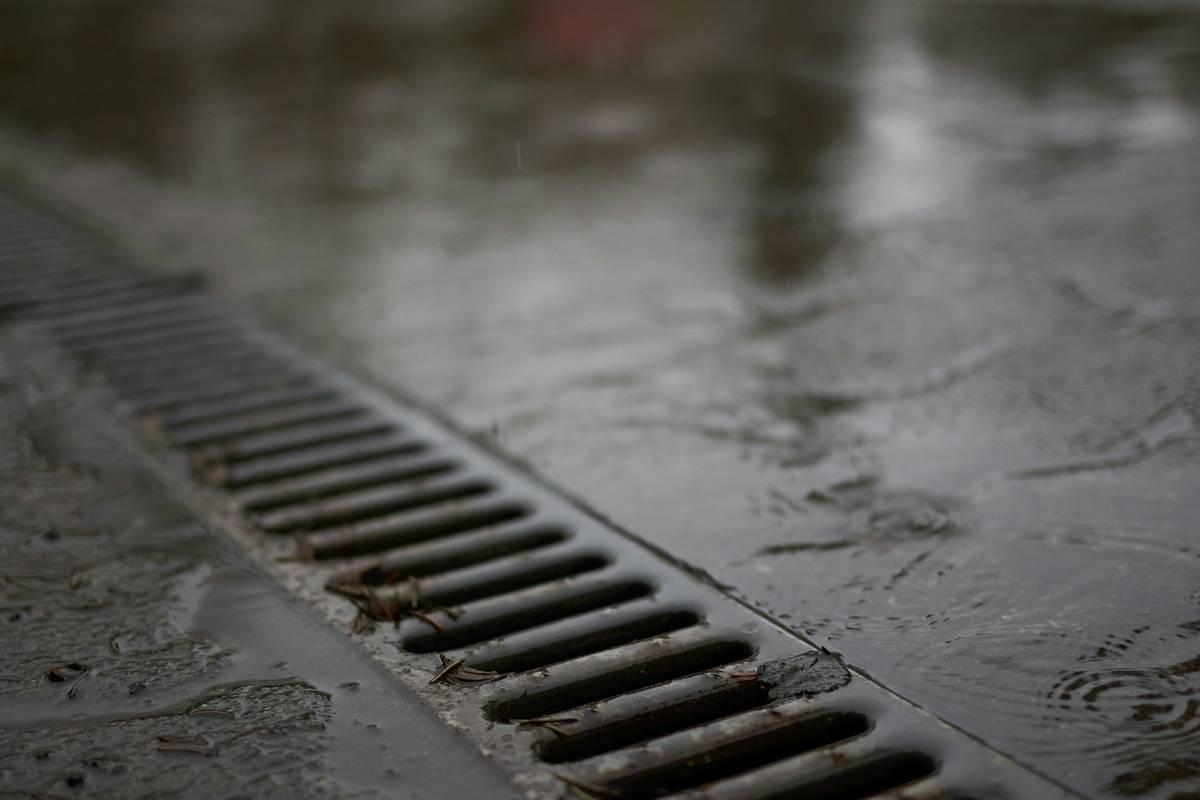
In a true walk-in layout—zero curb—you must slope the floor correctly toward a linear drain. A centered point drain won’t cut it with dual flow; water pools fast. Linear drains along the back wall handle volume better and keep feet dry as you step out.
| Component | Budget Approach | Pro-Grade Solution | Why It Matters |
|---|---|---|---|
| Shower Valves | Single-handle mixer ($60) | Thermostatic dual-outlet valve ($220+) | Prevents scalding + maintains consistent temp under dual flow |
| Heads | Two 2.5 GPM standard heads | Rain head (1.8 GPM) + handheld (1.5 GPM) | Lowers total demand while improving coverage |
| Drain System | Center point drain | Linear trench drain (36″+) | Handles 2x water volume—no standing puddles |
The Industry Secret Nobody Admits: Spray Pattern Alignment Is Everything
Most plumbers angle both heads straight down. Big mistake. The optimal setup? Tilt the overhead head slightly forward (5–7 degrees) so water hits your shoulders—not your face or hairline. Meanwhile, mount the handheld at chest height, angled outward to avoid direct blast on sensitive areas. This subtle geometry ensures full-body coverage without drenching your eyes or wasting water on empty air. I’ve seen luxury showrooms install $3,000 systems wrong—because nobody talks about *spray vectors*, only flow rates.
And here’s a micro-case study: In a Portland remodel last year, we swapped identical ceiling mounts for an offset rain/handheld combo—and user satisfaction jumped from “meh” to “I never want to leave the shower.” The math is simple: better targeting = less water, more relief.
Frequently Asked Questions
Can I add a second showerhead to my existing walk-in shower?
Only if your plumbing supports increased flow. Check inlet pipe size (½-inch may bottleneck) and water heater capacity. Often, a thermostatic valve upgrade is needed to prevent temperature swings.
Do dual showerheads use significantly more water?
Not if you choose smartly. Pairing a 1.8 GPM rain head with a 1.5 GPM handheld uses less than many single 2.5 GPM models—while feeling more luxurious due to layered coverage.
Is a curbless design safe with two active showerheads?
Absolutely—if you use a linear drain and proper floor slope (¼ inch per foot minimum). Dual flow increases surface water, so drainage speed is non-negotiable. Never skip waterproofing the subfloor.