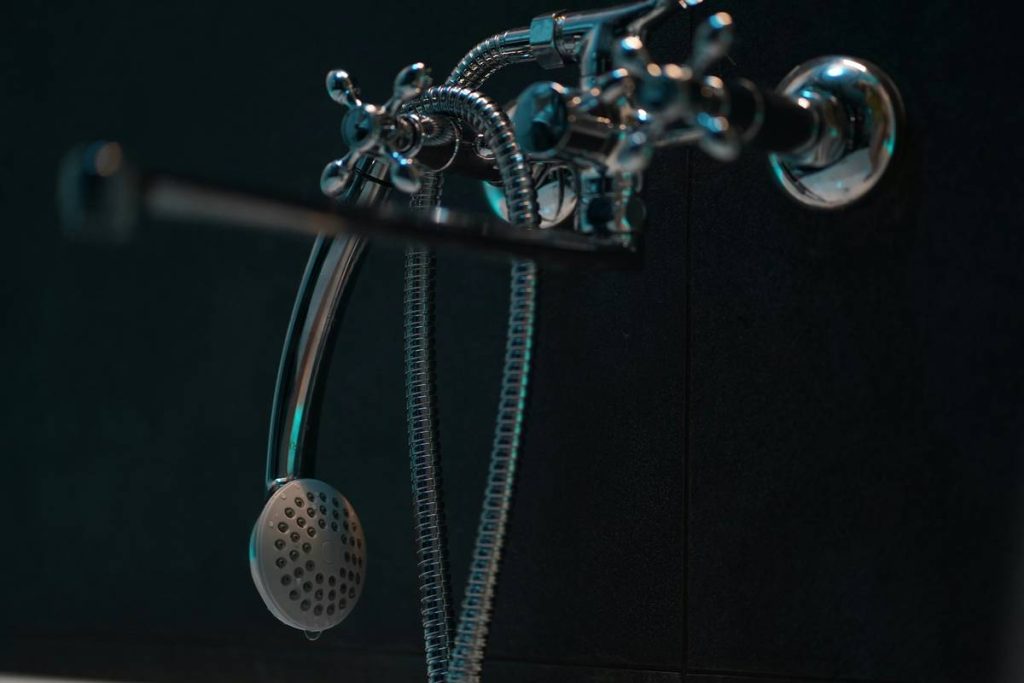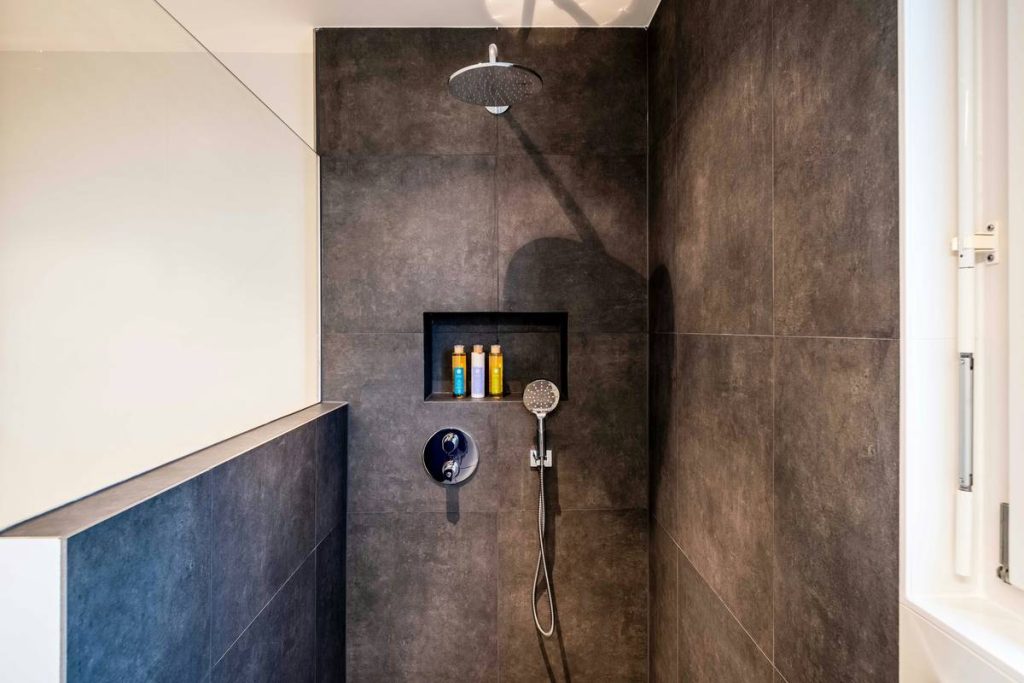
Two people. One cramped shower. Endless jostling for elbow room—and hot water. It’s not romantic. It’s not efficient. And it turns your morning routine into a logistical nightmare. But what if you could both rinse off simultaneously—without bumping heads or freezing mid-lather? Enter the dual shower head for 2 people: a smart, elegant fix that transforms chaos into calm.
Why Standard Single Heads Fail Couples (and Roommates)
Most showers are engineered for solo use. That single overhead sprayer? It assumes one body, one schedule, one set of priorities. Add a second person, and suddenly you’re negotiating water pressure like diplomats at a summit.
And don’t get me started on those flimsy add-on handhelds bolted to the wall with plastic brackets. They wobble. They leak. They spray lukewarm mist while your partner hogs the main stream.
The real issue isn’t just space—it’s flow dynamics. A standard valve can’t deliver consistent pressure to two outlets without a pressure-balancing system. Result? One person gets drenched; the other gets drizzled. Not ideal.
How to Install a True Dual Shower Head for 2 People—Without Remodeling
Forget tearing out tiles or rerouting pipes. Modern dual systems work with your existing plumbing—if you choose wisely. Here’s how to get it right:
Pick Your Configuration: Overhead + Handheld vs. Twin Fixed
Overhead + handheld gives flexibility—one person stands under the rain, the other uses the wand for targeted rinsing. Twin fixed heads (side-by-side or angled) offer symmetry but less maneuverability. For shared daily use, overhead + handheld wins every time.
Verify Your Water Pressure & Flow Rate
You need at least 45 PSI and 2.5 GPM per head to avoid disappointment. Test your current setup with a $10 pressure gauge from Home Depot. If you’re below threshold, install a booster pump first—no workaround here.
Choose a Pressure-Balancing Valve
This is non-negotiable. Without it, flushing a toilet elsewhere in the house could scald someone mid-shower. Look for thermostatic mixing valves (TMVs) labeled “dual-outlet compatible.” They maintain ±2°F stability even under demand spikes.

| Installation Approach | Cost Range | Time Required | Plumbing Skills Needed |
|---|---|---|---|
| Retrofit Kit (uses existing arm) | $80–$180 | 30–60 min | Beginner (wrench + Teflon tape) |
| New Rough-In Valve + Dual Trim | $250–$600 | 4–8 hours | Intermediate (pipe cutting/soldering) |
| Full Custom System (ceiling + wall mounts) | $700–$1,500+ | 1–2 days | Professional recommended |
Seal Everything—Twice
Leaks hide behind walls for months before they show up as ceiling stains downstairs. Wrap every threaded connection with PTFE tape—three wraps clockwise, then tighten with a strap wrench (not pliers!). Re-check after 24 hours of use.

The Industry Secret: Most “Dual” Kits Aren’t Built for Two Actual Humans
Here’s what manufacturers won’t tell you: many so-called “dual” kits are just single-head units with a diverter valve tacked on. That means only one outlet works at a time—you flip a lever to switch streams. Useless for simultaneous showers.
The real pro move? Demand a true concurrent-flow system. These split the incoming line into two independent circuits *before* the valve, so both heads run at full force together. Brands like Moen’s ExactTemp or Grohe’s SmartControl engineer this correctly. Others cut corners. Check the spec sheet for “simultaneous operation” language—never assume.
And think about drainage. Two people = double the runoff. If your shower pan slopes poorly or your drain is undersized (less than 2”), you’ll flood the bathroom floor every time. An ounce of slope inspection prevents gallons of damage.
Frequently Asked Questions
Can two people really shower at the same time with a dual shower head?
Yes—but only if the system supports true concurrent flow and your home has adequate water pressure (≥45 PSI) and flow rate (≥5 GPM total).
Do I need new plumbing to install a dual shower head for 2 people?
Not always. Retrofit kits attach to your existing shower arm. But for optimal performance and safety, upgrading to a thermostatic dual-outlet valve is strongly recommended.
Will a dual shower head increase my water bill significantly?
It can—if both heads run full blast for 20 minutes. But most couples finish faster when sharing efficiently. Install low-flow heads (1.75 GPM) to offset usage without sacrificing pressure.