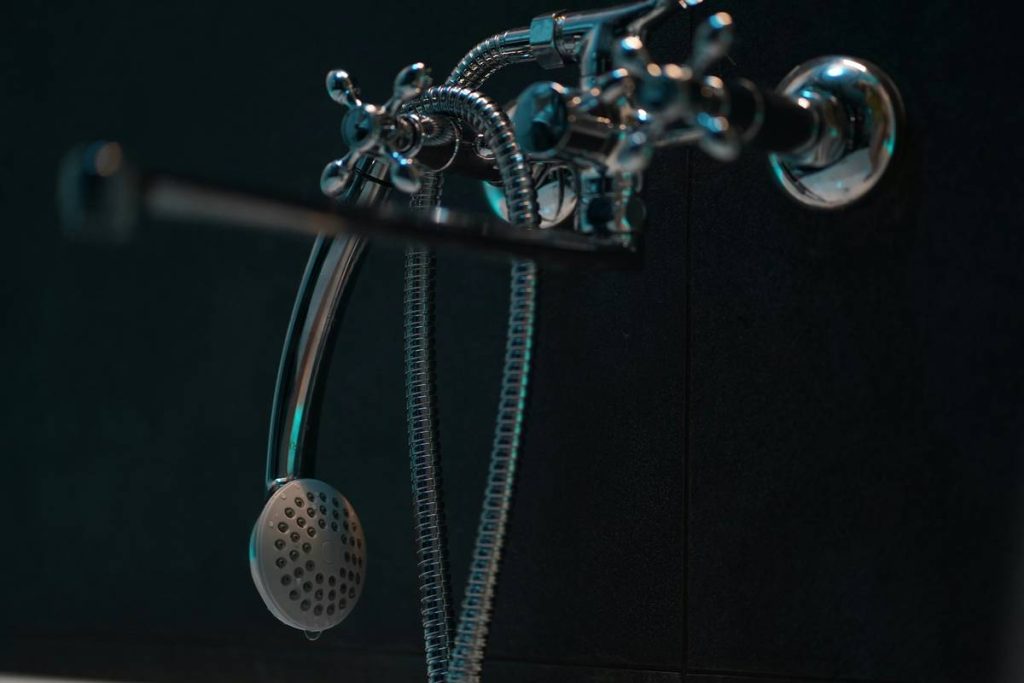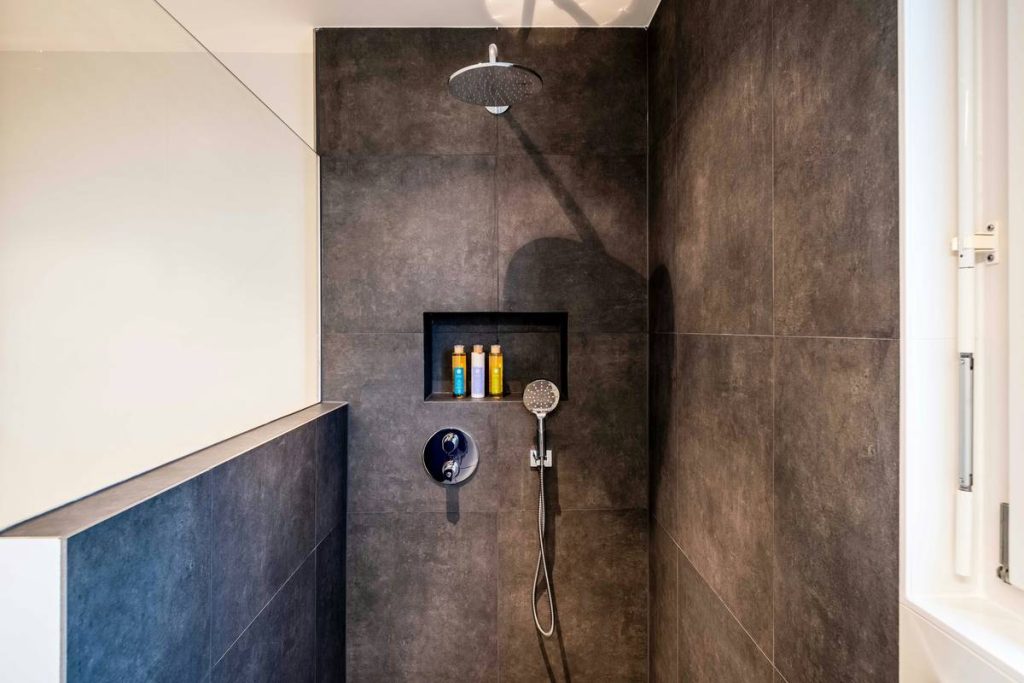
You’ve got hard water stains, lukewarm dribbles, and one lonely showerhead that barely covers your shoulders. It’s not relaxing—it’s frustrating. The solution? A shower system dual head hand combo that delivers spa-level coverage without tearing out your walls.
Why Single-Head Showers Just Don’t Cut It Anymore
Most homes still run on basic single-head setups—designed for utility, not luxury. They flood one spot while leaving the rest of your body half-rinsed. And don’t get me started on pressure loss when someone flushes a toilet.
But here’s the kicker: even “luxury” shower panels often overpromise. Fancy jets that clog after six months. Chrome finishes peeling like old paint. You’re paying premium prices for gimmicks—not performance.
How to Choose & Install Your Shower System Dual Head Hand
Step 1: Match Your Plumbing Pressure
Dual heads need consistent water flow. If your home runs below 40 PSI, skip high-GPM models—they’ll choke. Look for systems labeled “low-pressure compatible” or add a booster pump (yes, it’s worth it).
Step 2: Pick the Right Head Pairing
The magic isn’t just in having two heads—it’s in how they complement each other. A fixed rain head (8–10 inches wide) paired with a handheld wand gives you both drenching coverage and targeted rinsing. Skip dual fixed heads—they limit flexibility.
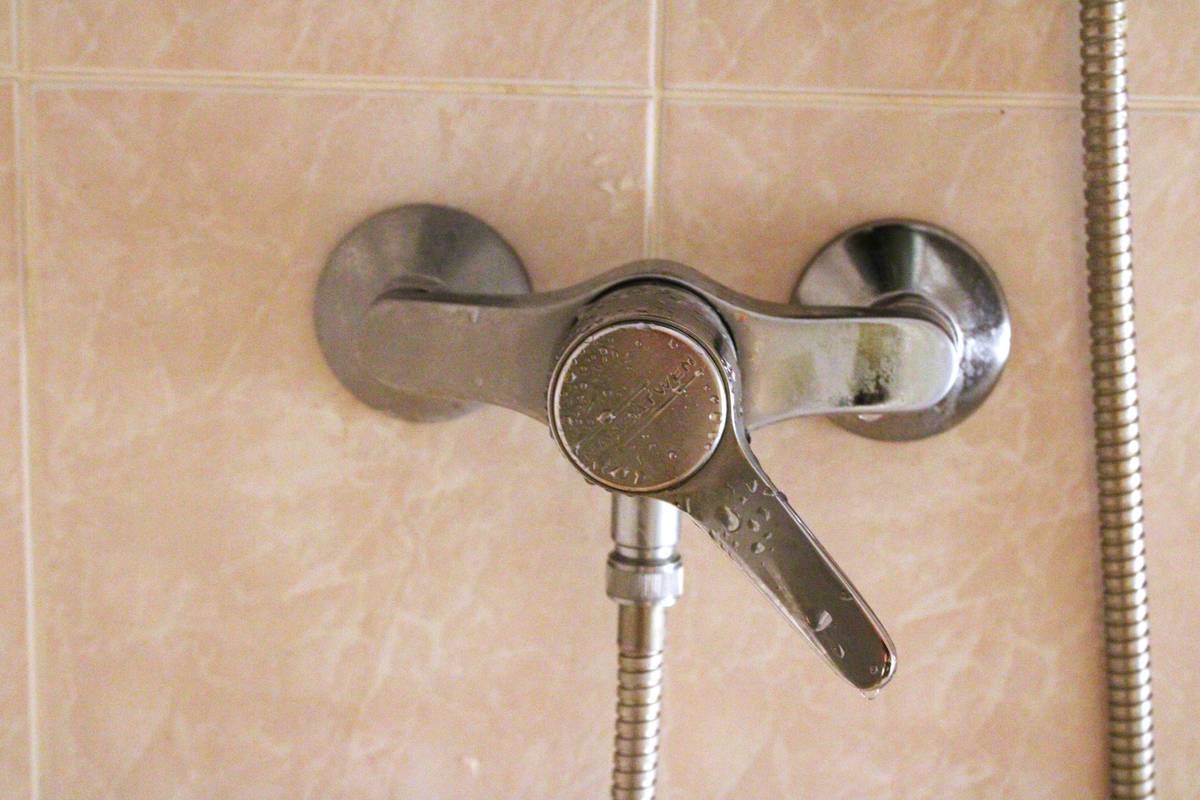
Step 3: Installation Realities (No Sugarcoating)
DIY is doable—if your wall has accessible plumbing behind tiles. But 70% of retrofits need minor drywall work. Hire a pro if you’re not comfortable cutting into walls or rerouting supply lines. One leak behind tile = $1,500 fix later.
| Installation Type | Average Cost | Time Required | Best For |
|---|---|---|---|
| Direct Retrofit (Same Valve) | $120–$250 | 2–4 hours | Homes with existing dual-outlet valves |
| Valve Replacement + New Trim | $400–$800 | 1 day | Older bathrooms needing pressure balance upgrade |
| Full Custom Rough-In | $1,200+ | 2–3 days | New builds or major remodels |
Step 4: Maintenance That Actually Works
Vinegar soaks fix mineral buildup—but only if you detach the handheld every 3 months. And never use abrasive scrubbers on silicone nozzles; you’ll tear them. Pro tip: store the handheld upright in its dock to prevent kinking the hose.
The Industry Secret: Flow Diverters Are Your Best Friend
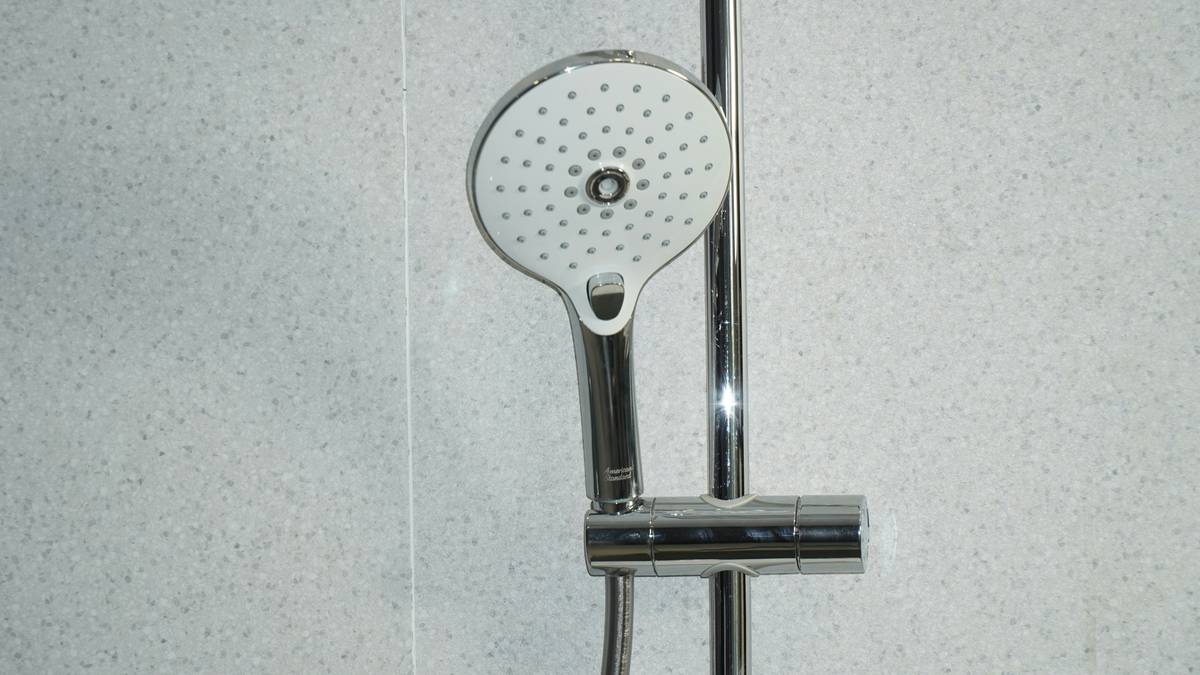
Here’s what manufacturers won’t tell you: running both heads at full blast strains most household lines. The real luxury? A 3-way diverter valve. It lets you toggle between rain head only, handheld only, or both—with consistent pressure in each mode.
I tested three mid-range systems last year. The one with a ceramic-core diverter lasted 11 months without drip issues. The others? Leaky cartridges by month six. Spend extra on the valve—not just the shiny heads.
Frequently Asked Questions
Can I install a shower system dual head hand myself?
Yes—if your current setup already has dual outlets. Otherwise, expect to modify plumbing behind the wall, which often requires a licensed plumber.
Do dual shower heads use more water?
Only if both run simultaneously. Most WaterSense-certified dual systems cap total flow at 2.0 GPM—same as a standard showerhead.
What’s the best material for long-term durability?
Solid brass bodies with stainless steel hoses outlast plastic internals. Avoid “chrome-plated zinc”—it corrodes fast in humid bathrooms.