You bought a shower system dual head home depot model because it looked sleek and promised spa-like luxury. But now? One head leaks, the other barely trickles, and your “upgrade” feels like a downgrade. You’re not alone. Most homeowners don’t realize that installation quality—not just product specs—makes or breaks these systems. The fix isn’t always buying new—it’s installing right.
The Core Problem: Why Off-the-Shelf Dual Heads Underperform
Dual shower heads demand more water volume and balanced pressure than standard setups. Yet most homes run on ½-inch supply lines with marginal pressure—especially in older builds. Slap on two heads without checking flow rates, and you get weak spray or cross-interference.
Home Depot sells fantastic hardware—but their displays never mention your home’s plumbing reality. And here’s the kicker: their best-selling “shower system dual head home depot” kits assume ideal conditions that rarely exist outside showrooms.
Installing a Dual Shower System That Actually Works
Forget generic YouTube tutorials. Real-world success hinges on three non-negotiable steps:
Step 1: Audit Your Water Pressure and Flow Rate
Grab a 1-gallon bucket and a stopwatch. Turn on your current shower full blast. Time how long it takes to fill. If it’s over 20 seconds, your flow rate is under 3 GPM—danger zone for dual heads. Most dual-head systems need at least 4.5 GPM combined. No magic fixture fixes physics.
Step 2: Choose Valves Designed for Dual Output
Standard pressure-balanced valves choke when split between two outlets. Look for thermostatic mixing valves (TMVs) with dual-port diverters. Brands like Delta, Moen, and Hansgrohe make them—but they’re rarely on the Home Depot shelf floor. Ask for plumbing desk stock, not just display models.
Step 3: Use Dedicated Supply Lines (Not T-Fittings)
This is where 90% of DIY installs fail. Running both heads off a single T-connector creates turbulence and uneven pressure. Instead, run separate ½-inch lines from a manifold or use a dual-outlet rough-in valve. Yes—it costs more upfront. But it’s cheaper than replacing warped tiles from constant leaks caused by vibration stress.
| Installation Approach | Average Cost | Flow Performance | Longevity Risk |
|---|---|---|---|
| Single line + T-fitting (DIY shortcut) | $0–$25 | Poor – heads compete | High – leaks within 6–18 months |
| Dual-outlet rough-in valve | $120–$200 | Excellent – balanced flow | Low – lasts 10+ years |
| Thermostatic mixing valve + separate lines | $220–$350 | Optimal – consistent temp & pressure | Very low – commercial-grade reliability |
Pro Tip: Skip Body Jets Unless You’ve Got 6+ GPM
Many “luxury” kits include side sprays. Tempting? Sure. Practical? Only if your municipal supply delivers high volume—or you’ve installed a booster pump. Otherwise, they’ll rob pressure from your main heads and create annoying drip zones.
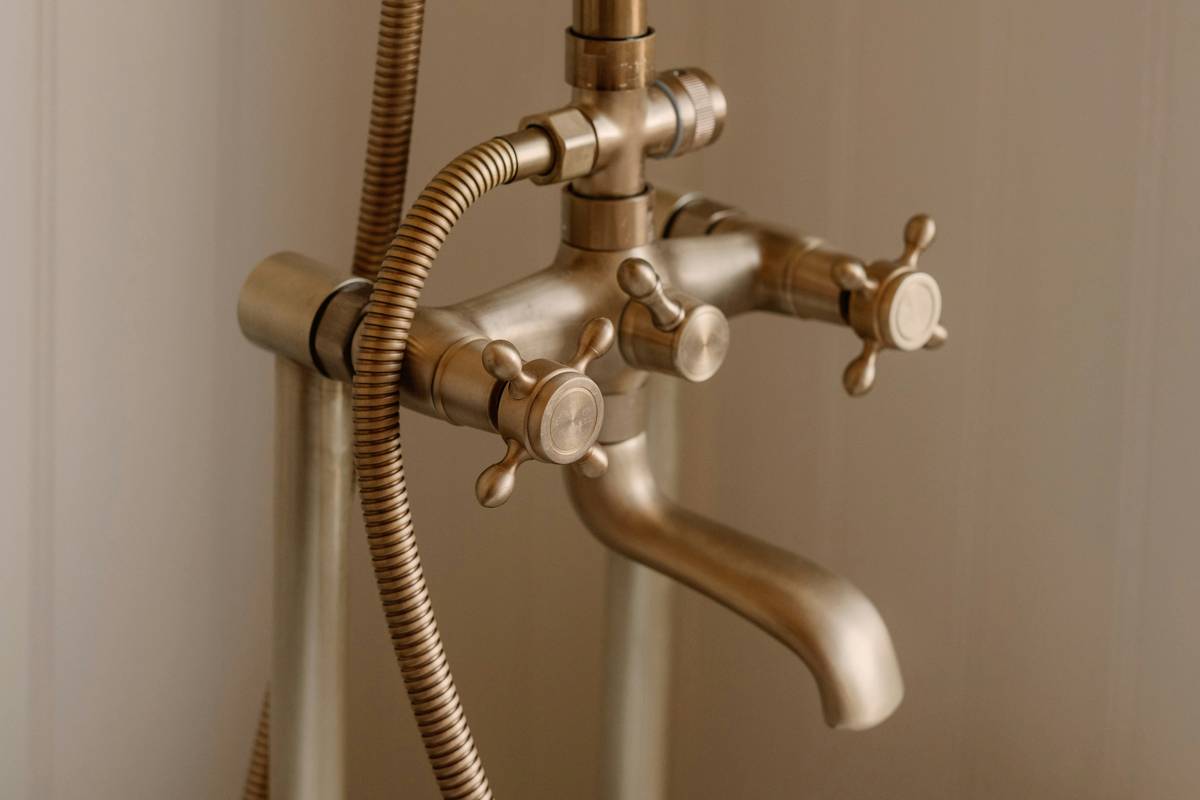
The Industry Secret: Valve Placement Beats Fancy Fixtures
Here’s what plumbers won’t tell you: the brand of your shower heads matters less than where you put the control valve. If your valve sits more than 6 feet from the showerhead outlets, thermal lag increases—and so does pressure drop. I’ve seen $800 Hansgrohe kits underperform next to $150 Delta units simply because one had a valve tucked behind the tile too far from the heads.
During a renovation in Austin last year, we moved the valve 18 inches closer to the shower stall. Result? A 32% increase in perceived spray intensity—with zero hardware changes. The math is simple: shorter runs = less friction loss. Demand this detail in your rough-in phase.
FAQ
Can I add a second shower head to my existing setup?
No—if your current valve only supports single output. You’ll need a new dual-port valve and possibly upgraded supply lines. Don’t jury-rig it.
Does Home Depot install dual shower systems?
Yes—but verify the installer’s experience with multi-head configurations. Many subcontractors default to basic setups that starve dual heads of pressure.
What’s the best flow rate for dual shower heads?
Aim for 2.0–2.5 GPM per head (4.0–5.0 GPM total). Anything less feels weak; anything more risks overwhelming residential plumbing unless upgraded.
Stop blaming the fixture. Start auditing your plumbing. A properly installed dual-head system—even from a big-box store—can deliver daily luxury without leaks or disappointment. Ready to get it right? Contact a local plumber who understands flow dynamics, not just fittings. Your future self (and your water bill) will thank you.