You step into your shower. Water trickles from one tired nozzle. It’s either too harsh on your neck or barely rinses your shoulders. You adjust the angle—again—and sigh. This isn’t relaxation; it’s compromise. The solution? A dual wall mounted shower head. Two precision streams. One seamless rinse.
The Core Problem: Why Single Shower Heads Fall Short
Most homes stick with factory-installed single heads—cheap, basic, and utterly inflexible. They force you to choose between scalp-soaking pressure and gentle body coverage. No middle ground. And retrofitting handheld sprayers often means clunky hoses snaking across tile, tripping hazards disguised as upgrades.
And worse—they rarely address real human proportions. Tall users duck. Kids stretch. Couples argue over spray direction. It’s not plumbing failure. It’s design laziness.
How to Install a Dual Wall Mounted Shower Head (Without Regretting It)
Skipping permits or proper waterproofing is how “quick updates” become leak nightmares. Follow this phased approach—or pay later.
Assess Your Existing Plumbing
Not all walls support dual feeds. Check if your shower valve is a single-outlet type. If so, you’ll need a diverter tee or a pressure-balanced dual-outlet rough-in valve. Ignore this, and you’ll starve both heads of flow—weak spray guaranteed.
Choose Between Fixed Pair vs. Combo Systems
A true dual wall mounted shower head usually means two fixed sprayers: one overhead rain panel, one mid-wall body jet. Alternatives bundle a fixed head with a slide bar—but that’s not pure dual mounting. Know the difference before buying.
Water Pressure Reality Check
Dual systems demand 2.5+ GPM combined flow. Older homes with 1/2″ supply lines may struggle. Install a booster pump if static pressure dips below 40 PSI. Measure first—don’t guess.
| Installation Type | Average Cost (Materials + Labor) | Time Required | Best For |
|---|---|---|---|
| Retrofit with Diverter Tee | $220–$380 | 3–5 hours | Existing single-outlet valves; budget-conscious upgrades |
| New Rough-In Valve + Dual Outlets | $550–$900 | 1–2 days | New builds or full remodels; optimal flow performance |
| Combo System (Fixed + Handheld) | $300–$500 | 4–6 hours | Families needing flexibility; not true dual wall mounted shower head setups |
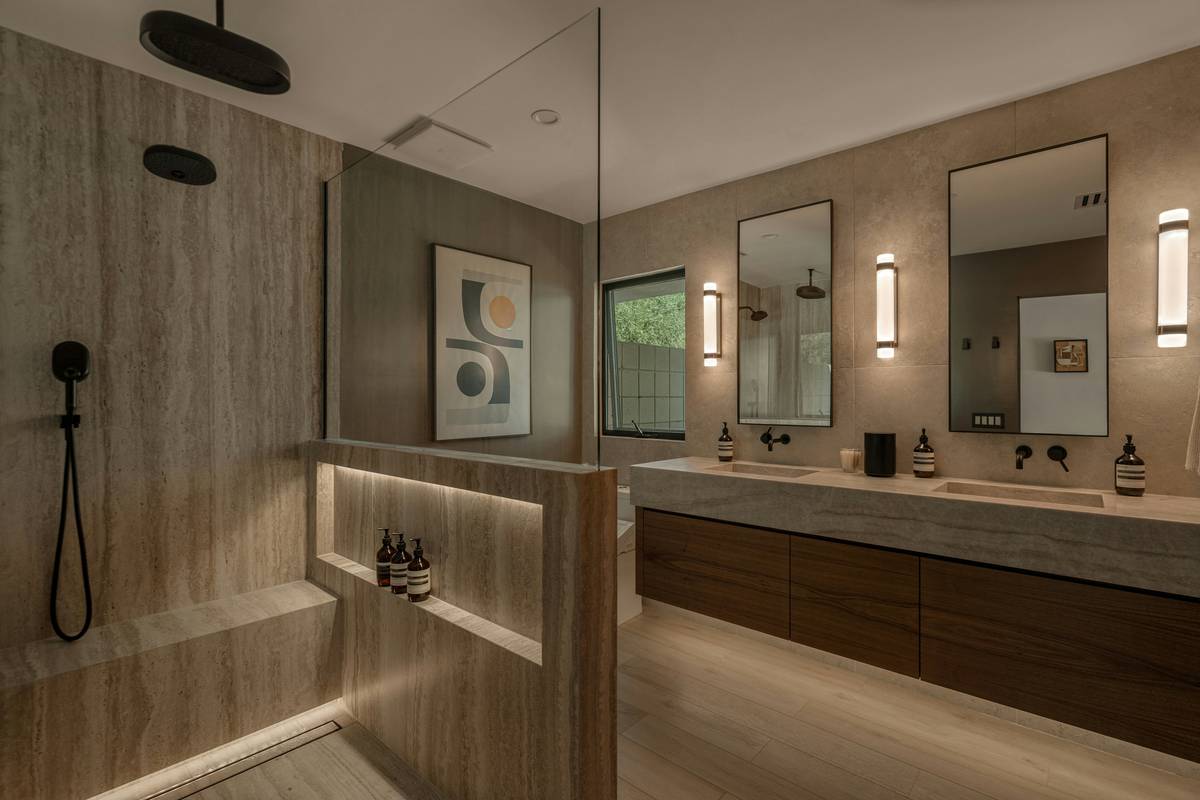
The Industry Secret: Pros Use Asymmetrical Angling
Here’s what no showroom tells you: mounting both heads straight-on creates chaotic water collision. The sweet spot? Angle the upper head 15° forward (toward the user), the lower one 10° upward. This creates laminar cross-flow—no splashback, full coverage, zero dead zones. Tile setters hate this trick because it requires custom arm extensions… which is exactly why it works. Most DIY kits assume symmetry. Real comfort is asymmetrical.
Frequently Asked Questions
Can I install a dual wall mounted shower head myself?
Only if you’ve soldered copper or worked with PEX manifold systems before. Misaligned threads or poor sealant application cause slow leaks behind walls—expensive to fix. Hire a licensed plumber for anything beyond surface-mount retrofit kits.
Do dual shower heads use more water?
Not necessarily. Many models are WaterSense-certified at 1.75 GPM per head. That’s comparable to older single heads (2.5 GPM). Choose low-flow nozzles with air injection—they feel powerful but sip water.
What’s the minimum ceiling height for dual mounting?
For comfortable overhead + mid-wall placement, you need at least 84 inches (7 feet). Anything lower forces awkward angling or head bumps. Measure from finished floor—not subfloor.