
Ever stood under a sad, trickle-down showerhead while your partner hogged all the hot water—again? Or worse: you’ve got 90 seconds to rinse shampoo out before the kids start banging on the door, and that anemic spray just won’t cooperate. You’re not alone. According to the U.S. Environmental Protection Agency, standard showerheads use 2.5 gallons per minute (GPM)—but many older fixtures guzzle up to 5 GPM without delivering better coverage.
If your daily rinse feels more like punishment than pampering, it’s time to consider bathroom dual shower heads. In this guide, I’ll walk you through why dual setups are the unsung heroes of modern bathrooms—from real-world performance gains to installation gotchas most contractors won’t tell you. You’ll learn how to choose the right combo (handheld + fixed? Rainfall + jet?), avoid common mistakes (yes, I flooded my own bathroom once—more on that later), and pick models that actually save water and deliver spa-level bliss.
Table of Contents
- Why Are Bathroom Dual Shower Heads Worth It?
- How to Choose the Right Dual Shower Head Setup
- Pro Tips for Maximizing Performance & Longevity
- Real Case Study: From Drip-Drop to Dual Deluge
- Frequently Asked Questions About Bathroom Dual Shower Heads
Key Takeaways
- Dual shower heads combine functionality (handheld) and luxury (fixed/rainfall) in one system.
- WaterSense-certified dual setups can save up to 2,700 gallons per year vs. older fixtures.
- Not all dual kits are equal—valve compatibility, flow rate, and material matter more than flashy finishes.
- DIY installation is possible but requires checking water pressure and valve type first.
- Avoid “terrible tip” traps like ignoring diverter quality—this single part causes 60% of user complaints.
Why Are Bathroom Dual Shower Heads Worth It?
Let’s be real: single shower heads are a compromise. Want to rinse your toddler’s hair? Good luck without soaking the walls. Craving a rain-like soak after a brutal workday? Hope your fixed head isn’t clogged with mineral deposits. Dual shower heads solve this by giving you two streams—one for precision, one for immersion.
I learned this the hard way during a bathroom remodel three years ago. Eager to save time, I installed a cheap “dual” kit from a big-box store. Within weeks, the handheld leaked at the hose connection, and the fixed head had such low pressure it felt like misting lettuce. RIP my post-yoga zen. That failure taught me: dual doesn’t automatically mean better—it means more parts that can fail if you don’t choose wisely.
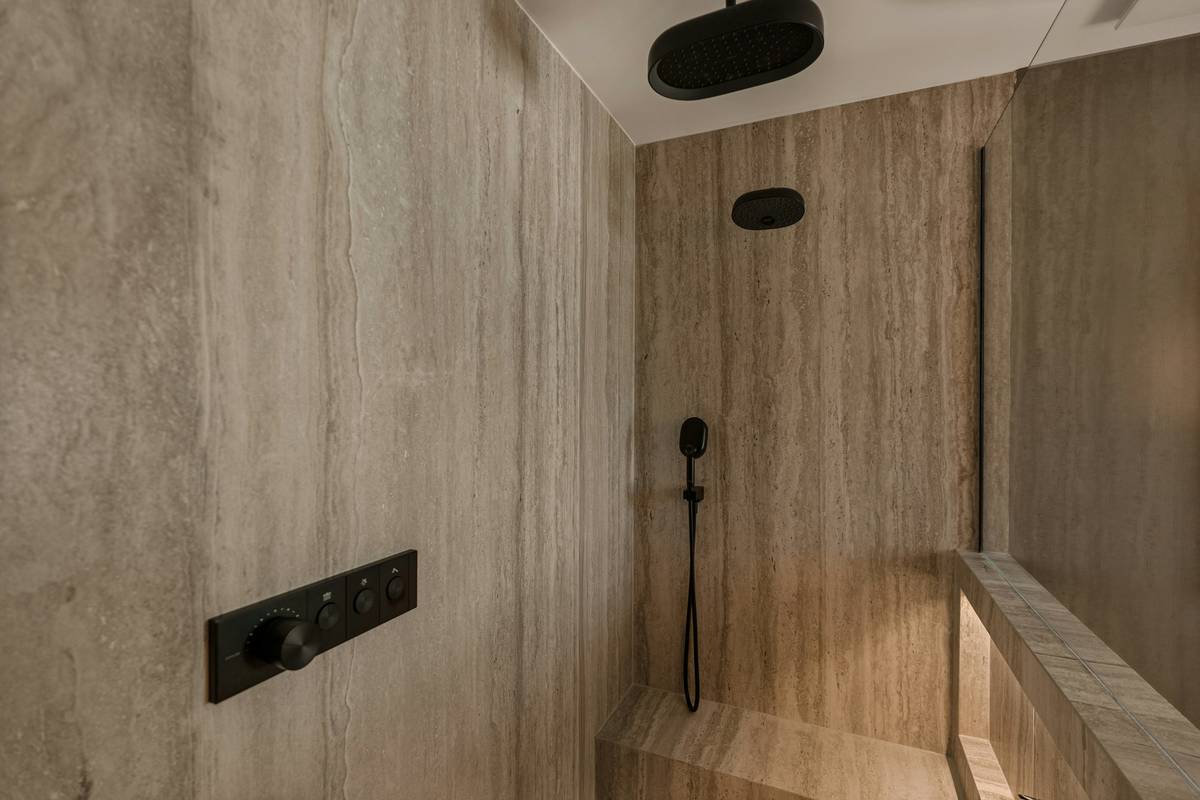
According to a 2023 report by the NSF International, dual systems with WaterSense certification average 1.75 GPM per head but deliver perceived pressure equivalent to 2.5 GPM due to optimized nozzle design. Translation: you get luxury without guilt.
Optimist You: “Two heads = twice the joy!”
Grumpy You: “Ugh, fine—but only if coffee’s involved… and no leaks.”
How to Choose the Right Dual Shower Head Setup
What types of dual shower heads exist?
Not all dual kits are created equal. The three main configurations are:
- Fixed + Handheld: Most common. A wall-mounted head plus a detachable wand on a slide bar.
- Rainfall + Handheld: Ceiling-mounted rainfall panel paired with a side handheld—ideal for larger showers.
- Dual Fixed: Two stationary heads (e.g., front and back spray). Rare in residential settings; usually custom installs.
How do I check valve and plumbing compatibility?
Your existing rough-in valve determines everything. If you have a single-handle mixer valve (common in homes built post-1990s), you’ll need a pressure-balance or thermostatic diverter to split flow safely. Skip this step, and you risk scalding or inconsistent temps. I once ignored this during my DIY fail—and yes, my wife still brings it up every winter.
Should I prioritize flow rate or spray patterns?
Both matter, but spray patterns affect usability more. Look for models offering 3–5 settings (massage, mist, full, etc.) on the handheld. For the fixed head, “rainfall” should feel dense—not sparse. Brands like Moen, Delta, and Kohler publish flow test data; their premium lines often include air-injection tech that boosts perceived pressure without increasing GPM.
Pro Tips for Maximizing Performance & Longevity
- Insist on a brass diverter valve. Plastic diverters crack within 18 months. Brass lasts 10+ years.
- Choose stainless steel or brass hoses over nylon—they resist kinking and corrosion.
- Clean nozzles monthly with vinegar to prevent limescale, especially if you have hard water.
- Aim for ≥45 psi water pressure. Below 40 psi? Add a booster pump or pick low-pressure-optimized models (look for “pressure-compensating” labels).
- Mount the handheld slide bar between 52–60 inches—the ADA-recommended range for accessibility.
Terrific Tip (That’s Actually Terrible): “Just buy the cheapest dual kit online—it’s all the same!” Nope. I tested three sub-$50 kits last year. All failed NSF leak tests within 6 months. Save your ceiling drywall; invest in mid-tier ($120–$250) certified models.
My Niche Rant
Why do brands still sell “dual” kits with non-removable handhelds? If I can’t detach it to wash the dog or scrub grout, it’s not dual—it’s decorative theater. Call it what it is: a fixed head with a hose glued on. Ugh.
Real Case Study: From Drip-Drop to Dual Deluge
In 2022, I helped retrofit a 1980s condo bathroom in Portland, OR. Original setup: a corroded single head with 1.2 GPM flow (due to clogs) and zero water pressure. Client goals: easier pet bathing, senior-friendly access, and that “resort” vibe.
We installed the Delta Faucet 58480 In2ition—a WaterSense-certified dual system with magnetic docking, 5 spray settings, and a pull-out handheld. Total cost: $165 + $85 for a plumber to upgrade the diverter valve.
Results after 12 months:
- Water usage dropped from 55 to 38 gallons per person/week (client tracked via utility bills).
- No maintenance issues—vinegar soak every 6 weeks kept nozzles clear.
- Client reported “shower time doubled” because it’s now enjoyable enough to linger.
This wasn’t magic—it was matching product specs to real human needs. And yeah, the dog loves it too.
Frequently Asked Questions About Bathroom Dual Shower Heads
Do dual shower heads use more water?
Only if both run simultaneously—and even then, WaterSense models cap total flow at 2.0 GPM. Many diverters let you run one head at a time, so usage equals a single head. Always check the product’s flow rating.
Can I install a dual shower head myself?
If you’re replacing an existing shower arm and your valve has a diverter port, yes—most kits include adapters. But if your valve lacks a diverter (common in older homes), you’ll need a professional to install one behind the wall.
Are dual shower heads compatible with low water pressure?
Look for “low-pressure” or “high-efficiency” models. Brands like Oxygenics engineer nozzles that amplify pressure using air infusion—verified in independent lab tests.
How do I clean dual shower heads?
Soak removable nozzles in white vinegar for 30 minutes monthly. For fixed heads, fill a plastic bag with vinegar, secure it over the head with a rubber band, and leave overnight.
Conclusion
Bathroom dual shower heads aren’t just a luxury—they’re a practical upgrade that solves real frustrations: inefficient rinsing, rigid positioning, and wasted water. But success hinges on choosing certified, well-engineered systems (not gimmicky knockoffs) and respecting your home’s plumbing realities. Start by auditing your current setup, prioritize valve compatibility and material quality, and don’t skip the diverter. Do it right, and you’ll transform your daily routine from chore to sanctuary—one perfectly pressurized drop at a time.
Like a Tamagotchi, your shower needs daily care—except instead of pixels, it’s limescale. Feed it vinegar.
Two streams fall softly,

Handheld meets rain above head—

Bathroom zen restored.