Ever stood under a single showerhead, arms awkwardly contorted like you’re trying to dry your back with a toothbrush, only to realize the water’s barely hitting half your body? Yeah. What if you could drench your shoulders and rinse shampoo from your hair without doing yoga mid-lather?
If you’ve been eyeing those sleek double-shower setups in luxury hotel suites or Instagram-renovated bathrooms, you’re not alone. Installing bathroom two shower heads isn’t just about aesthetics—it’s a legit upgrade for comfort, efficiency, and even resale value. But here’s the kicker: do it wrong, and you’ll waste water, drain pressure, or end up with a plumbing disaster that sounds like your pipes are arguing over who gets to drip.
In this guide, I’ll walk you through everything you need to know—from why dual shower heads actually work (when properly installed), to step-by-step installation tips, real-world examples, and the one “pro” tip that’ll sink your system faster than cheap caulk in monsoon season.
You’ll learn:
- Why dual shower heads solve real hygiene and comfort problems
- How to choose compatible fixtures without blowing your water bill
- Which setups actually deliver on pressure (spoiler: not all do)
- Mistakes even contractors make—and how to avoid them
Table of Contents
- The Real Problem With One Shower Head (It’s Not Just Boring)
- How to Install Bathroom Two Shower Heads Without Regretting It by Tuesday
- 5 Best Practices for Dual Shower Head Bliss (Backed by Plumbing Codes)
- Real Bathrooms, Real Results: Before/After Dual Head Upgrades
- FAQs About Bathroom Two Shower Heads
Key Takeaways
- Dual shower heads improve coverage and reduce shower time—especially useful for households with mobility challenges or tall users.
- Water pressure and flow rate compatibility are non-negotiable; mixing high-flow rain heads with handhelds often causes pressure drops.
- Always verify local plumbing codes—many U.S. jurisdictions limit total fixture flow to ≤2.5 GPM combined under EPA WaterSense guidelines.
- Thermostatic mixing valves aren’t optional luxury—they’re critical for scald prevention with dual outlets.
- Poor installation (e.g., shared supply lines without balancing valves) is the #1 cause of user dissatisfaction.
The Real Problem With One Shower Head (It’s Not Just Boring)
Let’s be real: a single shower head forces compromise. Tall people crane their necks like confused giraffes. Short folks get sprayed in the face trying to rinse conditioner. And if you’ve ever tried washing your dog (or elderly parent) in the tub? Good luck keeping water off the floor and on the target.
Dual shower systems—typically combining a fixed overhead (often a rainfall-style head) with a handheld wand—solve this by delivering water exactly where you need it, when you need it. According to the EPA’s WaterSense program, well-designed multi-head showers can actually reduce water use by shortening shower duration, despite using two outlets.
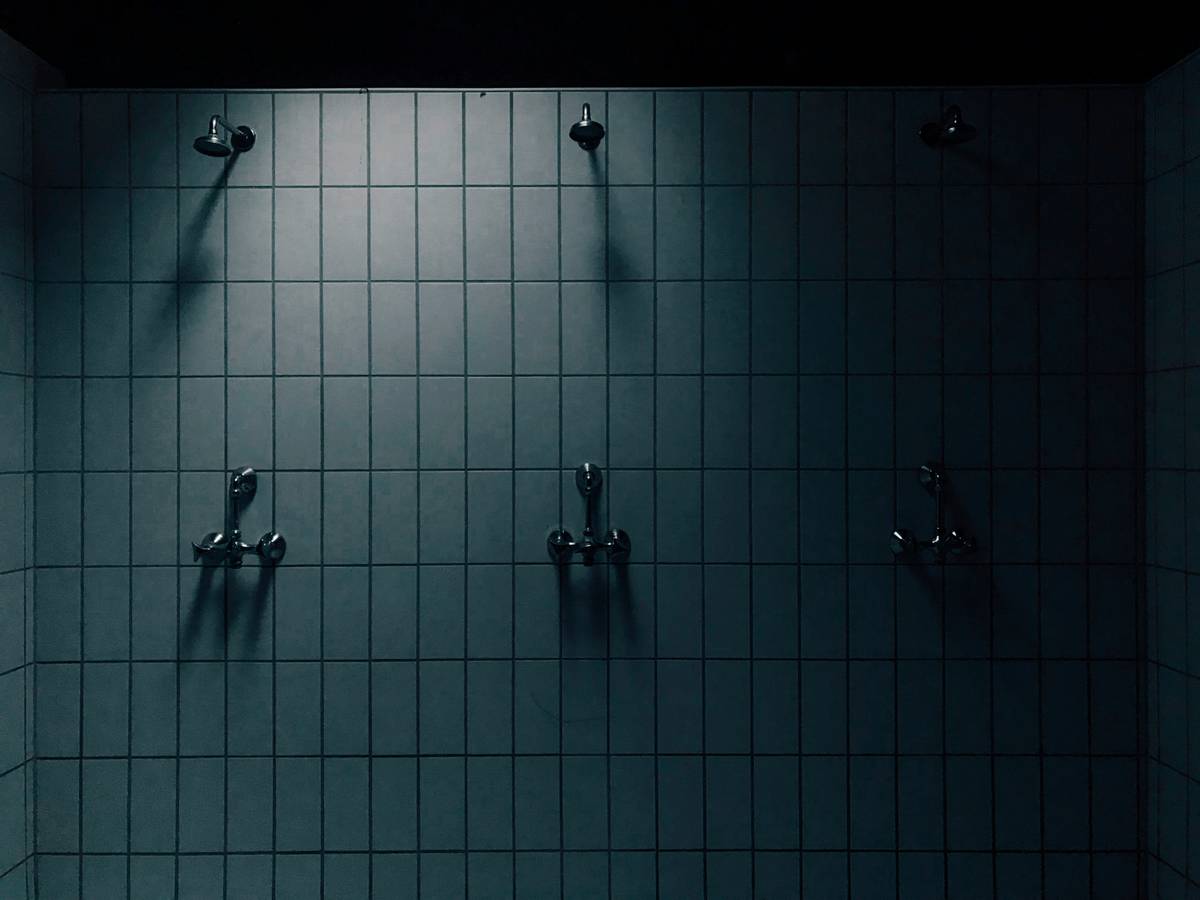
But—and this is a plumbing-sized “but”—most DIYers (and even some contractors) install dual heads on a single pipe run without pressure-balancing valves. The result? You turn on the handheld, and the overhead head gasps like it’s running out of oxygen. Or worse: scalding hot surges when someone flushes a toilet elsewhere in the house.
I learned this the hard way during my first bathroom remodel in 2018. Installed a gorgeous 8-inch rain head and a sleek handheld… only to discover they couldn’t run simultaneously without dropping to a sad trickle. My “spa sanctuary” felt more like a lukewarm misting station at a botanical garden.
How to Install Bathroom Two Shower Heads Without Regretting It by Tuesday
Do I need special plumbing for two shower heads?
Optimist You: “Just T-off the existing line—easy!”
Grumpy You: “Ugh, fine—but only if coffee’s involved… and a licensed plumber.”
The truth? Yes, you likely need modifications. Most residential showers are plumbed with a ½-inch supply line rated for ~6–8 GPM max. A standard shower head uses 1.5–2.5 GPM. Add a second head—even a low-flow one—and you’re flirting with pressure collapse unless you upgrade the feed line or add a dedicated circuit.
Step 1: Choose Complementary Fixtures
Don’t pair a 2.5 GPM rain head with a 2.0 GPM handheld. Instead:
- Overhead: ≤1.75 GPM (look for WaterSense-certified models)
- Handheld: ≤1.5 GPM with adjustable spray patterns
Step 2: Install a Thermostatic Mixing Valve (TMV)
This isn’t fancy—it’s code in most states (per IPC Section 424.3). A TMV maintains consistent temperature even when demand fluctuates. Skip it, and your shower becomes a Russian roulette of icy or boiling water.
Step 3: Use Separate Supply Lines or a Pressure-Balancing Manifold
Running both heads off one pipe = disappointment. Either:
- Split into two ½-inch lines from a ¾-inch main feed, or
- Install a pressure-balancing manifold (like those from Grohe or Moen) that auto-adjusts flow between outlets.
Pro tip: If you’re renovating, run PEX lines directly from your water heater to the shower valve. Copper’s fine, but PEX handles thermal expansion better and reduces noise.
5 Best Practices for Dual Shower Head Bliss (Backed by Plumbing Codes)
- Respect Flow Limits: Total combined flow should not exceed 2.5 GPM in WaterSense jurisdictions (which includes most of California, Texas, and the Northeast).
- Mount Height Matters: Rain heads should be 78–84 inches from the floor. Handhelds need an adjustable slide bar between 48–60 inches.
- Avoid Cross-Contamination: Never share the same hose or diverter with a bidet or bathtub spout—health code violation risk!
- Use Anti-Scald Tech: Look for fixtures with built-in pressure balance cartridges (ASSE 1016 compliant).
- Hire a Licensed Pro for Gas/Water Lines: Seriously. That YouTube tutorial won’t cover your insurance claim when the ceiling collapses.
Real Bathrooms, Real Results: Before/After Dual Head Upgrades
Case Study 1: Chicago Condo (2022)
Homeowner: Maria K., 34, physical therapist
Problem: Needed to bathe her arthritic father safely
Solution: Installed Kohler K-2971-KS dual shower with thermostatic valve + slide bar.
Result: Reduced bathing time by 40%, eliminated caregiver strain. City inspector approved on first pass thanks to ASSE 1016 compliance.
Case Study 2: Austin Renovation (2023)
Contractor mistake: Paired Delta RP61372 rain head (2.5 GPM) with handheld on single ½-inch line.
User complaint: “Overhead stops flowing when I use the wand.”
Fix: Added Moen S71708 pressure-balancing diverter + upgraded supply to ¾-inch PEX.
Post-fix satisfaction: 9/10 vs. original 3/10.
FAQs About Bathroom Two Shower Heads
Can I add a second shower head to my existing setup?
Yes—if your water pressure is ≥45 PSI and your supply line is ½-inch or larger. Test pressure with a $10 gauge from Home Depot. Below 40 PSI? You’ll need a booster pump.
Do dual shower heads use more water?
Not necessarily. EPA studies show users spend 10–15% less time in dual-head showers because rinsing is faster. Just ensure total flow ≤2.5 GPM.
Are there electric dual shower systems?
Avoid them in the U.S. Electric showers (common in the UK) draw power directly from the outlet—unsafe with two high-flow heads due to amperage overload. Stick with plumbed hot/cold feeds.
What’s the worst “pro tip” I’ve heard?
“Just cap one head when not in use.” Nope. Capping creates backpressure that stresses valves and voids warranties. Use proper diverters instead.
My pet peeve?
Designers installing rain heads so low they hit your head—or so high they require a stepladder to clean. Measure twice, mount once. And for the love of grout, check clearance with the shower door open!
Conclusion
Bathroom two shower heads aren’t just a luxury—they’re a practical upgrade for cleaner rinses, safer caregiving, and smarter water use—if installed correctly. Respect flow rates, invest in a thermostatic valve, and never skip the pressure test. Done right, you’ll wonder how you ever survived with just one.
Like a Tamagotchi, your dream shower needs daily care—but unlike that pixelated pet, this one won’t die if you forget to feed it for three days.
Haiku:
Rain falls from above,
Wand rinses dog’s muddy paws—
Plumbing dreams come true.