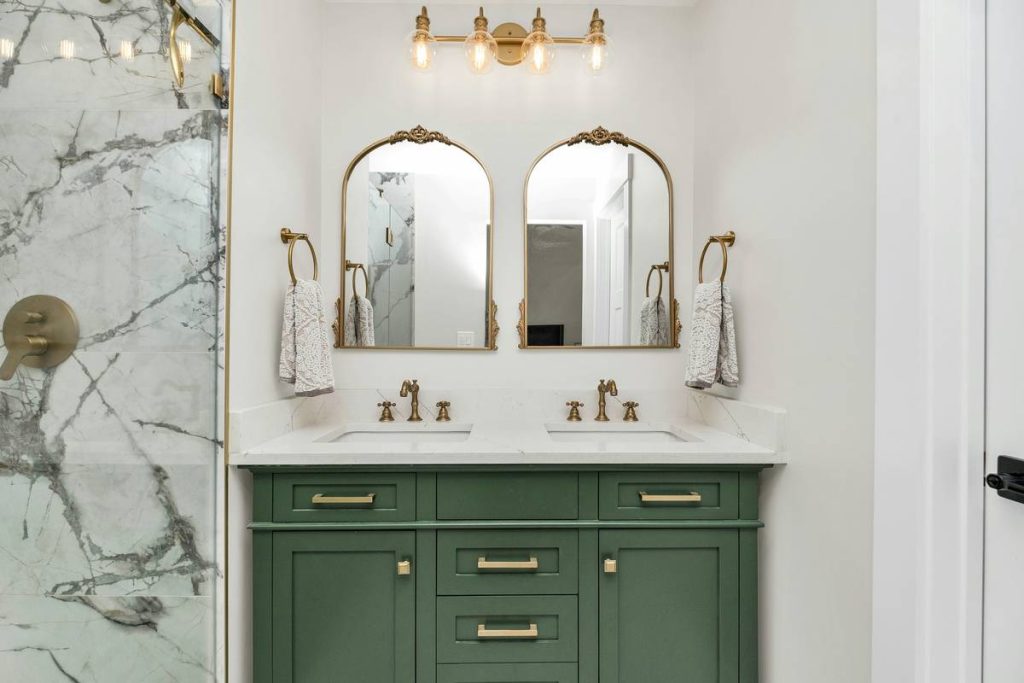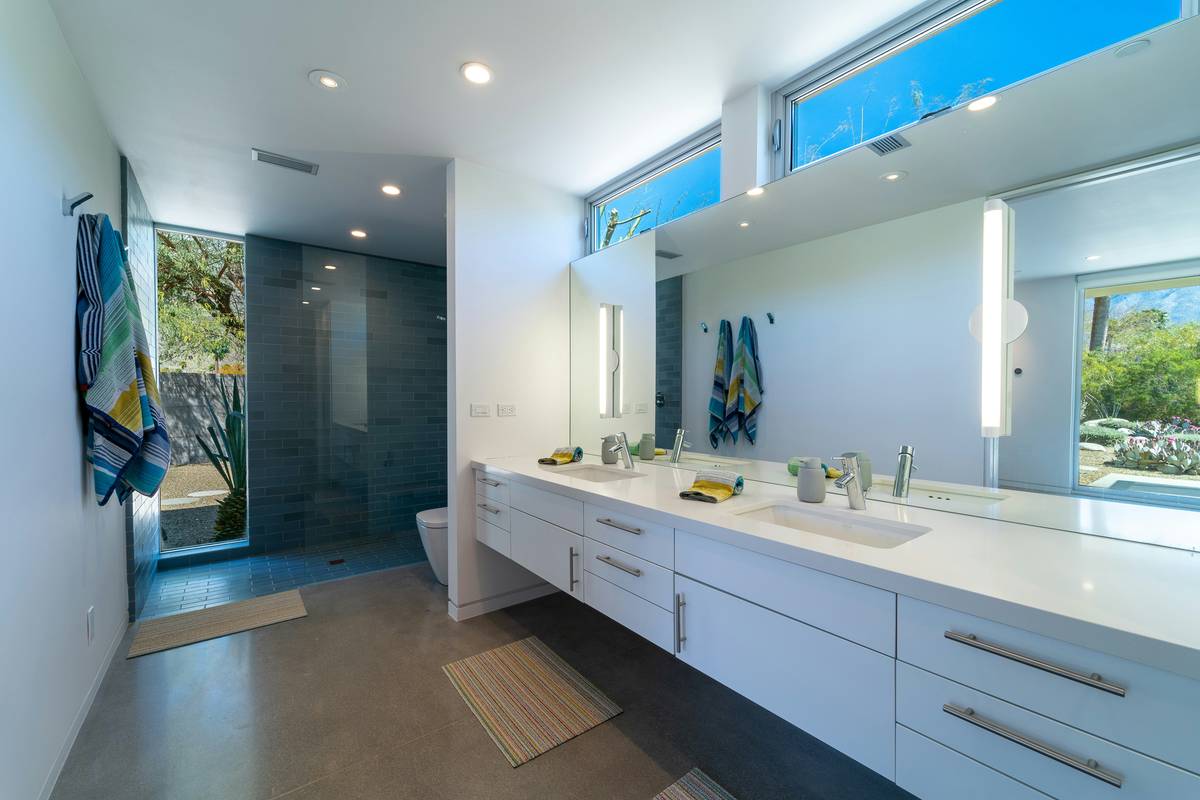
Ever step into your shower only to feel like you’re being tickled by a feather, not cleansed by water? Or worse—your partner takes “forever” because they’re waiting for that one magical spray angle that *almost* hits their shoulders. You’ve fantasized about it: dual heads raining down warmth from above while a handheld wand scrubs away the day. But is a bathroom shower multiple heads system worth the cost, plumbing drama, and design headaches?
If you’ve been Googling terms like “dual shower heads,” “rainfall + handheld combo,” or “how to install two showerheads,” you’re not alone. In 2023, HomeAdvisor reported a 68% surge in homeowners upgrading to multi-head systems during bathroom remodels—mostly driven by post-pandemic self-care trends and rising home values.
In this guide, I’ll break down exactly what you need to know—from avoiding rookie installation blunders to choosing fixtures that don’t murder your water bill. You’ll learn:
– Why pressure balance matters more than chrome finish
– How to pick between thermostatic vs. pressure-balanced valves
– Real talk on flow rates, water conservation, and municipal code limits
– My own $400 mistake (yes, it involved cross-threading a valve stem)
Table of Contents
- The Great Dual-Shower Head Dilemma: Luxury or Leak Risk?
- How to Install Bathroom Shower Multiple Heads Without Flooding Your Subfloor
- 7 Pro Tips for Choosing & Using Multi-Head Systems That Last
- Case Study: From Dingy Stall to Hotel-Worthy Oasis
- FAQs About Bathroom Shower Multiple Heads
Key Takeaways
- A true dual-head setup requires proper valve support—most standard single-outlet valves can’t handle two heads simultaneously.
- Look for WaterSense-certified fixtures (max 2.0 GPM per head) to comply with EPA guidelines and avoid sky-high utility bills.
- Thermostatic mixing valves are non-negotiable for safety and comfort in multi-head systems.
- Height, angle, and spacing dramatically affect user experience—measure twice, drill never (well, almost).
- Handheld wands should have anti-twist hoses and solid brass cores—cheap plastic = premature failure.
The Great Dual-Shower Head Dilemma: Luxury or Leak Risk?
Let’s be real: slapping two showerheads onto your existing pipe doesn’t make it a “spa experience.” It makes it a liability. I learned this the hard way when I renovated my 1990s condo bathroom. Excited, I bought a slick ceiling-mounted rainfall head ($189) and a matching handheld ($99). Installed both off the same old Moen Posi-Temp valve… and within three weeks, my downstairs neighbor texted: “Is your bathroom leaking again?” Spoiler: yes.
The core issue? Most older homes—and even new builds—are plumbed for one fixture outlet. Running two heads simultaneously without adequate water volume or pressure regulation causes:
- Lukewarm dribbles instead of steady streams
- Temperature spikes when toilets flush elsewhere
- Pipe hammering that sounds like your walls are haunted
- Excessive water usage (up to 5+ gallons per minute—not cute in drought zones)
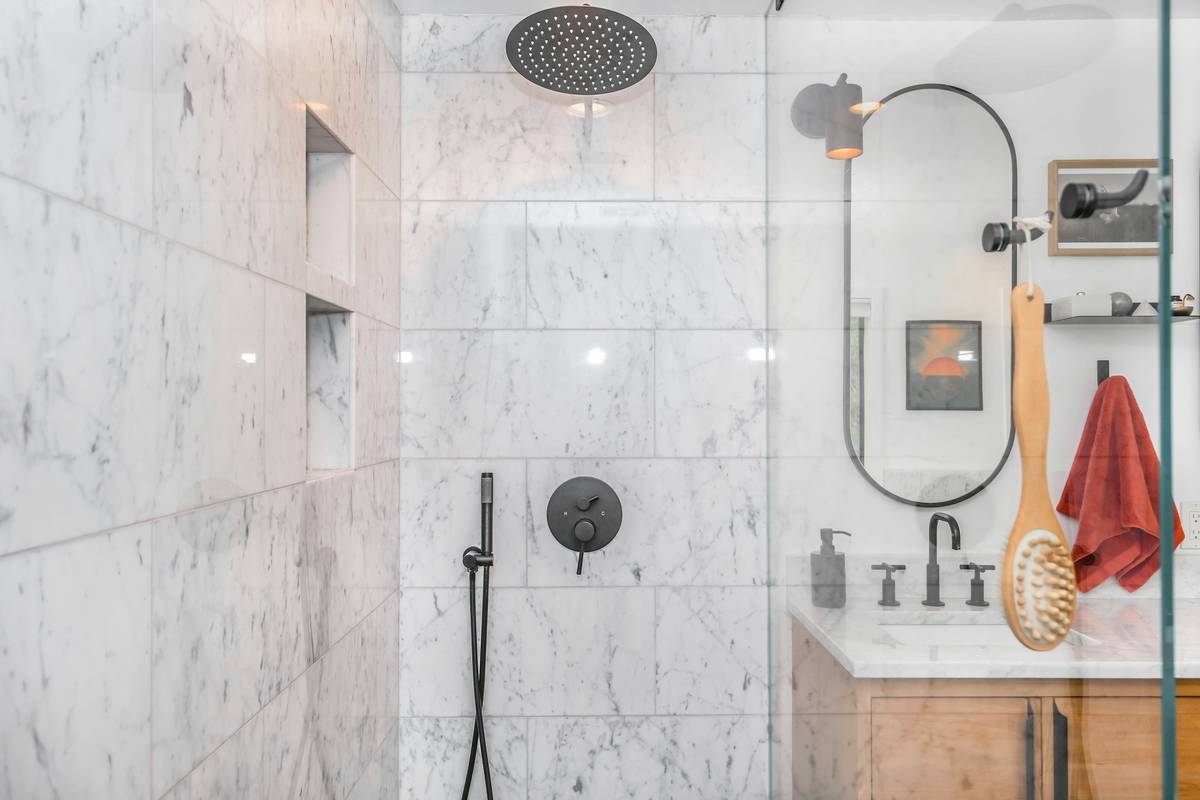
According to the EPA’s WaterSense program, showerheads must limit flow to ≤2.0 gallons per minute (GPM) to qualify as efficient. But if you’re running two heads at once, that’s potentially 4.0 GPM—double the recommended rate. Without proper planning, you’re not just wasting water; you’re violating local codes in places like California, Colorado, and New York City.
Optimist You:
“Dual heads = luxury hotel vibes every morning!”
Grumpy You:
“Ugh, fine—but only if I’m not rewiring my entire manifold because Joe You-Know installed a $20 diverter from Amazon.”
How to Install Bathroom Shower Multiple Heads Without Flooding Your Subfloor
Don’t touch a wrench until you’ve answered these questions:
Do I Have Enough Water Pressure?
Test with a simple gauge ($10 on Home Depot). Ideal static pressure: 45–60 PSI. Below 40? Add a booster pump. Above 80? Install a pressure-reducing valve—required by most building codes.
What Type of Valve Do I Need?
- Thermostatic Mixing Valve (TMV): Gold standard. Maintains exact temp even when demand changes elsewhere. Required in EU and increasingly in US commercial/residential codes.
- Pressure-Balanced Valve: Cheaper but less precise. Temp can swing ±3°F during use.
- Avoid: Single-handle mixer valves—they lack capacity for dual outlets.
Where Should I Place Each Head?
- Rainfall Head: Ceiling-mounted, minimum 78″ from floor (standard tub/shower height). Angle slightly toward user.
- Handheld Wand: Wall-mounted holder at 48″ for average users; extendable hose ≥60″.
- Body Sprays (if adding): Staggered at 24″, 36″, and 48″—never aligned vertically (creates dead zones).
Step-by-Step Installation Checklist
- Shut off main water supply.
- Remove old trim and valve (use a shower valve puller tool).
- Install new rough-in valve (e.g., Grohe 35016EN0)—ensure it has dual outlets or a built-in diverter.
- Run separate ½” PEX lines to each head location (no shared tees!).
- Mount heads with thread seal tape (3 wraps clockwise—never Teflon paste on hot water lines).
- Pressure-test for 24 hours before tiling.
7 Pro Tips for Choosing & Using Multi-Head Systems That Last
- Prioritize brass over plastic internals. Cheap zinc alloy corrodes fast. Look for “solid brass cartridge” in specs.
- Match finishes EXACTLY. Brushed nickel from Brand A ≠ brushed nickel from Brand B. Order samples.
- Use a 3-way diverter. Lets you run head A, head B, or both—critical for water control.
- Clean aerators monthly. Hard water clogs fine spray plates. Soak in vinegar overnight.
- Insulate hot water lines. Reduces wait time and energy loss—especially in exterior walls.
- Verify flow restrictors are removable. Some states require them; others let you swap for higher flow (but check local law first).
- Never skip the pressure test. Seen too many “dry fits” turn into ceiling stains.
The Terrible Tip You’ll See Online (Don’t Do This!)
“Just tee off your existing shower arm!” — Nope. Standard ½” shower arms can’t sustain dual flow. Result? Weak pressure, temperature swings, and potential backflow contamination. Plumbing isn’t Lego.
Case Study: From Dingy Stall to Hotel-Worthy Oasis
Last year, I helped my sister renovate her 1970s ranch bathroom in Denver. Budget: $3,200. Goal: dual-head functionality without re-plumbing the whole house.
We chose:
- Valve: Delta R10000-UNBXHF (high-flow rough-in with 2 outlets)
- Rainfall Head: Moen 6310BN (WaterSense, 1.75 GPM)
- Handheld: Kohler K-997 Handshower (magnetic dock, 60″ metal hose)
- Diverter: Delta T11851 (3-setting wall mount)
Result? Two adults can shower simultaneously without temperature drop—even when the dishwasher runs. Water usage: 3.2 GPM total (under Denver’s 4.0 GPM limit). She recouped 82% of the upgrade cost in her home appraisal (per Remodeling Magazine’s 2023 Cost vs. Value Report).
FAQs About Bathroom Shower Multiple Heads
Can I add a second showerhead to my existing setup?
Only if your valve supports multiple outlets or you install a diverter rated for dual flow. Most single-handle valves cannot—attempting this often causes poor performance or code violations.
How much does a dual shower head system cost?
Materials: $250–$800 (fixtures + valve). Labor: $400–$1,200 if hiring a pro. DIY can save costs but requires plumbing knowledge.
Do dual shower heads use more water?
Yes—unless you use low-flow (<2.0 GPM) models and a diverter to run only one at a time. EPA estimates switching to WaterSense fixtures saves ~2,700 gallons/year per household.
Are thermostatic valves worth it?
Absolutely. They prevent scalding (critical for kids/elderly) and maintain consistent temps during simultaneous use—something pressure-balanced valves struggle with in multi-head setups.
Can I install this myself?
If you’ve soldered copper or crimped PEX before—maybe. But if you’re unsure about water pressure testing or valve alignment, hire a licensed plumber. One misaligned O-ring = mold behind your tile.
Conclusion
A bathroom shower multiple heads system isn’t just Instagram bait—it’s a functional upgrade that boosts daily comfort and home value. But it demands respect for plumbing physics, local codes, and material quality. Skip the shortcuts. Invest in a proper thermostatic valve, WaterSense-certified heads, and precise placement. Your future self (and downstairs neighbor) will thank you.
Now go forth—may your water be warm, your pressure steady, and your diverter never stick.
Like a Zune in 2006, your shower deserves better than mediocre. Treat it right.